Table of Contents
- Introduction
- What Are Pre-Engineered Metal Buildings?
- Why Metal Buildings Are Leading Modern Construction
- The Engineering Advantage Behind Steel Buildings and Structures
- Speed Without Sacrificing Quality
- Design Flexibility for Evolving Needs
- Durability That Delivers Long-Term Value
- Energy Efficiency and Sustainability Benefits
- Applications Across Industries
- Why Expertise Matters in Steel Construction
- Future-Ready Construction Solutions
- Frequently Asked Questions (FAQ)
- Conclusion
The way buildings are designed and constructed has changed dramatically in recent years. Speed, efficiency, sustainability, and long-term value now play a greater role in decision-making than ever before. As a result, pre-engineered metal buildings have emerged as a leading solution for commercial, industrial, and large-scale developments.
At Western Steel Buildings, we specialise in delivering expertly engineered steel buildings and structures that meet the practical demands of modern construction while maintaining architectural flexibility and performance. From concept through completion, metal building systems offer a refined, dependable approach to construction that aligns with today’s business and operational requirements.
What Are Pre-Engineered Metal Buildings?
Pre-engineered metal buildings are steel structures that are designed, fabricated, and partially assembled before arriving on site. Unlike traditional construction methods, which rely heavily on on-site fabrication and adjustment, these buildings are planned in detail during the engineering phase.
Each structural component is manufactured to precise specifications, ensuring consistency, strength, and accuracy. This approach allows buildings to be assembled efficiently while maintaining strict quality control.
Pre-engineered systems are commonly used for:
- Commercial buildings
- Industrial facilities
- Warehouses and logistics centres
- Distribution hubs
- Agricultural and municipal structures
Their adaptability makes them suitable for projects of nearly any size or complexity.
Why Metal Buildings Are Leading Modern Construction
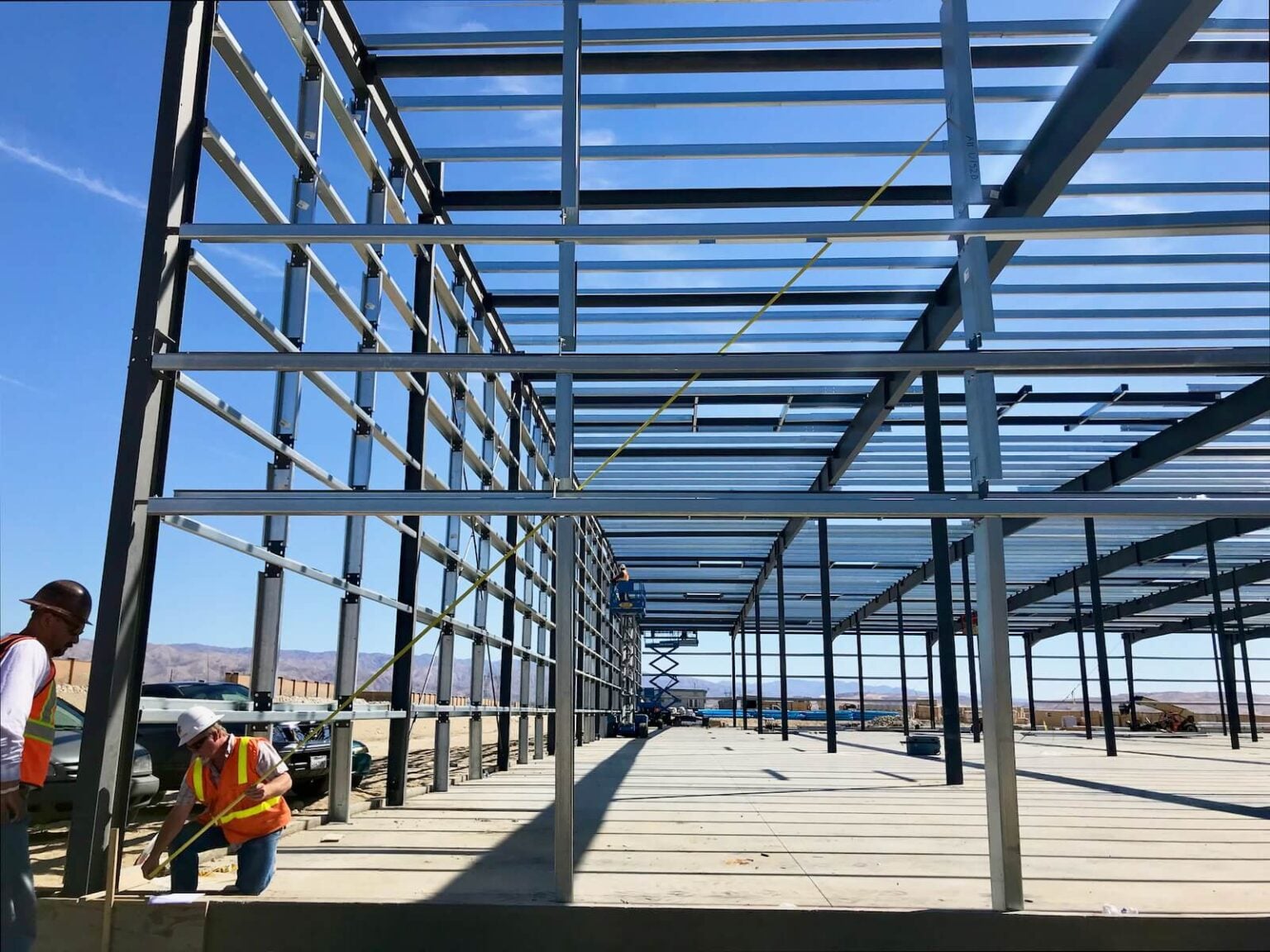
Metal buildings have gained widespread popularity due to their structural reliability and versatility. Steel provides exceptional load-bearing capacity without excessive material use, making it both efficient and durable.
One of the key advantages of steel construction is predictability. Steel behaves consistently under load, allowing engineers to design structures that perform exactly as intended. This reliability reduces construction risk and supports long-term building performance.
In addition, metal buildings are less susceptible to many issues associated with traditional materials, such as warping, cracking, or pest damage. This makes them particularly attractive for long-term commercial and industrial use.
The Engineering Advantage Behind Steel Buildings and Structures
The success of steel buildings and structures lies in engineering precision. Pre-engineered systems are developed using advanced analysis tools that consider load requirements, environmental factors, and building usage.
This engineering-led approach ensures:
- Structural efficiency with minimal material waste
- Optimised designs for specific applications
- Compliance with modern building regulations
- Consistent quality across all structural components
By addressing potential challenges during the design phase, steel buildings reduce the likelihood of costly changes during construction.
Speed Without Sacrificing Quality
Construction timelines have a direct impact on project costs and operational planning. One of the most significant benefits of pre-engineered metal buildings is the speed at which they can be completed.
Because structural components are fabricated off-site, on-site construction focuses primarily on assembly. This reduces labour requirements and minimises delays caused by weather or material shortages.
Despite faster build times, quality is never compromised. Controlled manufacturing environments allow for strict quality assurance, ensuring every component meets engineering and performance standards before it reaches the site.

Design Flexibility for Evolving Needs
A common misconception is that metal buildings lack design flexibility. In reality, modern steel structures offer extensive customisation options.
Steel buildings can be tailored to include:
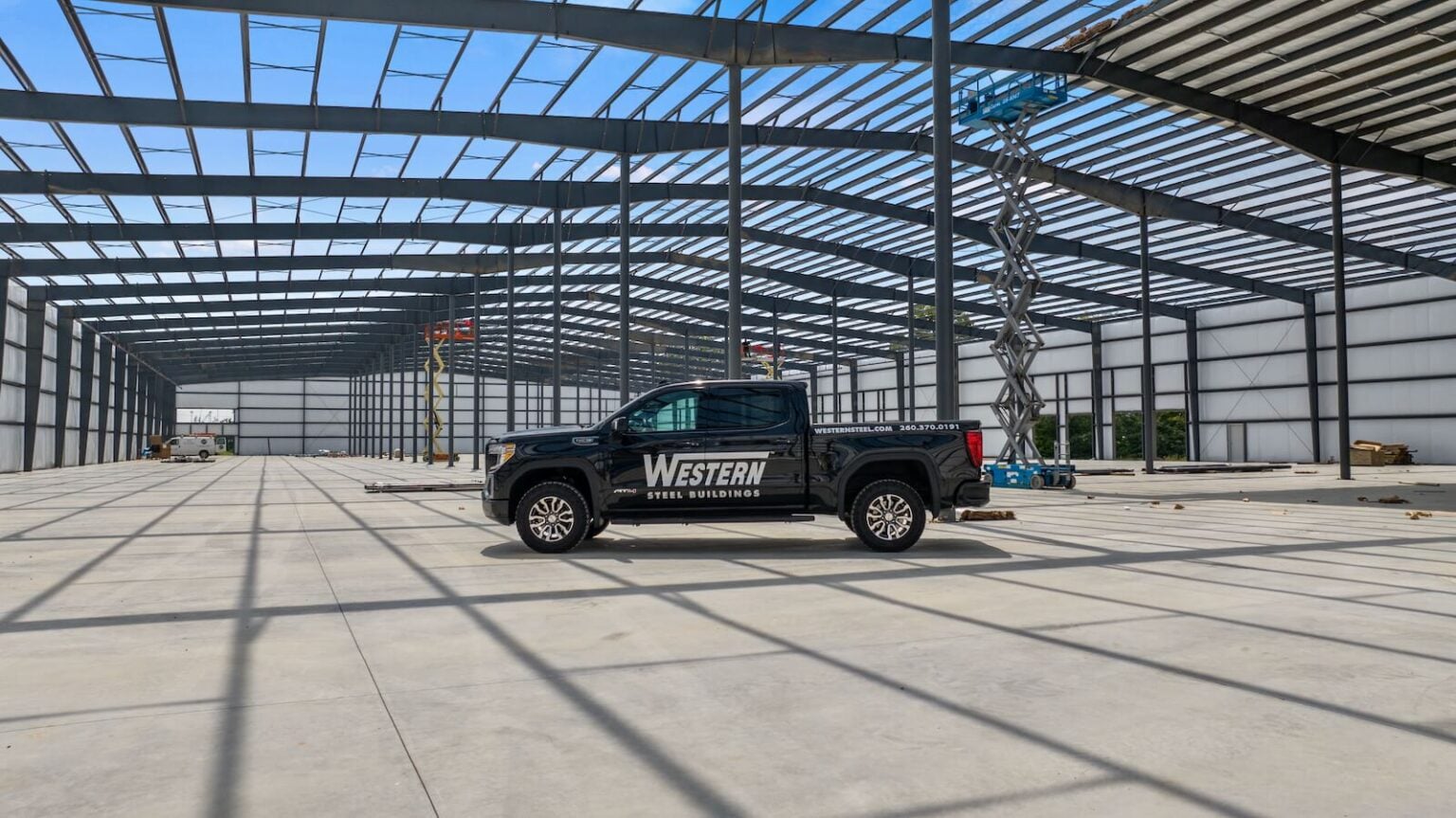
- Large, open interior spaces
- High ceilings and clear spans
- Multiple façade and cladding options
- Integration with modern architectural features
This flexibility allows buildings to evolve as operational needs change. Expansions, layout modifications, and system upgrades can be completed with minimal structural disruption.
Durability That Delivers Long-Term Value
Durability is a defining characteristic of steel construction. Properly designed and maintained metal buildings can last for decades with minimal degradation.
Steel structures offer resistance to:
- Fire
- Extreme weather conditions
- Corrosion when properly treated
- Structural fatigue under repetitive loads
This longevity reduces lifecycle costs and supports long-term investment value. For businesses planning for growth and continuity, steel buildings provide a reliable foundation.
Energy Efficiency and Sustainability Benefits
Sustainability is an increasingly important consideration in construction. Metal buildings support environmentally responsible practices through efficient material use and energy-saving design options.
Steel is fully recyclable and often contains recycled content, reducing environmental impact. In addition, pre-engineered buildings can incorporate high-performance insulation systems that improve thermal efficiency.
Energy-efficient steel buildings help reduce operational costs while supporting sustainability objectives, making them a practical and responsible choice.
Applications Across Industries
Pre-engineered metal buildings are used across a wide range of industries due to their adaptability and performance.
- Commercial Use – Retail spaces, offices, and mixed-use developments benefit from steel’s flexibility and modern appearance.
- Industrial Facilities – Manufacturing plants and processing facilities require structures that can support heavy equipment and continuous operation.
- Warehousing and Logistics – Large, column-free spaces make steel ideal for storage and distribution environments.
- Municipal and Public Buildings – Steel buildings provide durable, cost-effective solutions for community and infrastructure projects.
Why Expertise Matters in Steel Construction
While steel offers many advantages, successful implementation depends on expertise. A well-engineered design and coordinated construction process are essential for achieving optimal results.
At Western Steel Buildings, our approach combines engineering precision with practical construction knowledge. This ensures every project benefits from efficient planning, accurate execution, and long-term performance.
Working with experienced professionals reduces risk and ensures the building performs as intended throughout its lifespan.
Future-Ready Construction Solutions
Frequently Asked Questions (FAQ)
What makes pre-engineered metal buildings different from traditional construction?
They are designed and fabricated in advance, allowing faster construction and greater precision.
Are metal buildings suitable for commercial use?
Yes. They are widely used for commercial, industrial, and public buildings due to their strength and flexibility.
How long do steel buildings last?
With proper design and maintenance, steel buildings can last several decades.
Can metal buildings be customised?
Absolutely. Modern steel buildings offer extensive design and layout options.
Are steel buildings environmentally friendly?
Steel is recyclable and supports energy-efficient construction when combined with proper insulation.
Conclusion
As construction demands continue to evolve, pre-engineered metal buildings, steel buildings and structures, and advanced metal buildings provide a practical, efficient, and future-focused solution.
With faster construction times, long-term durability, and unmatched flexibility, steel construction supports modern business needs without compromise. By partnering with experienced specialists like Western Steel Buildings, project owners gain confidence in every stage of the build process—from design through delivery.
Steel is not just a building material; it is a long-term investment in performance, reliability, and growth.
Project Spotlight
Heber Light & Power – Project Spotlight
Engineered to meet municipal operational demands, this 15,444 sq. ft. clear-span facility for Heber Light & Power in Heber, Utah includes 18 garage-style doors, a sloped roof, and attached office space to support maintenance and storage functions.
Feliz Creek Cellars – Project Spotlight
Showcasing premium winery infrastructure, Western Steel Buildings engineered and delivered two attached pre-engineered steel buildings totaling 60,000 sq. ft. for Feliz Creek Cellars in Hopland, California — creating a climate-controlled steel winery with insulated metal panels, modern parapet details, and high-tech processing capabilities to support quality winemaking and storage operations.
Sunbelt Rentals – Project Spotlight
Customized for modern rental operations, the Sunbelt Rentals project in West Jordan, Utah is a pre-engineered steel building by Western Steel Buildings featuring insulated metal panels and a contemporary commercial exterior suited for equipment rental facilities.
RISU America Manufacturing Campus – Project Spotlight
Western Steel Buildings delivered a four-building, 82,700 sq. ft. steel package for RISU America’s first manufacturing base outside Japan, a plastics campus in Shelbyville, Indiana built through general contractor Runnebohm Construction.
BPI Labs – Project Spotlight
Purpose-built for pharmaceutical production, the BPI Labs project is a 14,900 sq. ft. multi-span pre-engineered steel building by Western Steel Buildings, utilizing efficient structural framing and wide-open manufacturing space to support specialized operations.
Las Vegas U-Haul – Project Spotlight
Supporting large-scale commercial operations, the Las Vegas U-Haul Project Spotlight highlights a 44,000 sq. ft. clear-span pre-engineered steel facility engineered by Western Steel Buildings, delivering open interior space, durability, and operational efficiency.
