Fiberglass Insulation

Western Steel’s fiberglass blanket insulation offers versatile options for metal building roof and wall applications. Explore faced and unfaced insulation options and available R-values to meet a variety of building requirements.

Fiberglass Insulation

Western Steel’s fiberglass blanket insulation offers versatile options for metal building roof and wall applications. Explore faced and unfaced insulation options and available R-values to meet a variety of building

Fiberglass Insulation

Western Steel’s fiberglass blanket insulation offers versatile options for metal building roof and wall applications. Explore faced and unfaced insulation options and available R-values to meet a variety of building requirements.

Fiberglass Insulation

Western Steel’s fiberglass blanket insulation offers versatile options for metal building roof and wall applications. Explore faced and unfaced insulation options and available R-values to meet a variety of building

Fiberglass Blanket Insulation

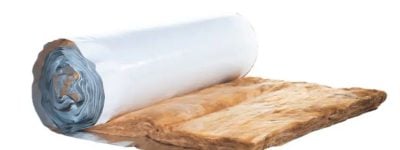
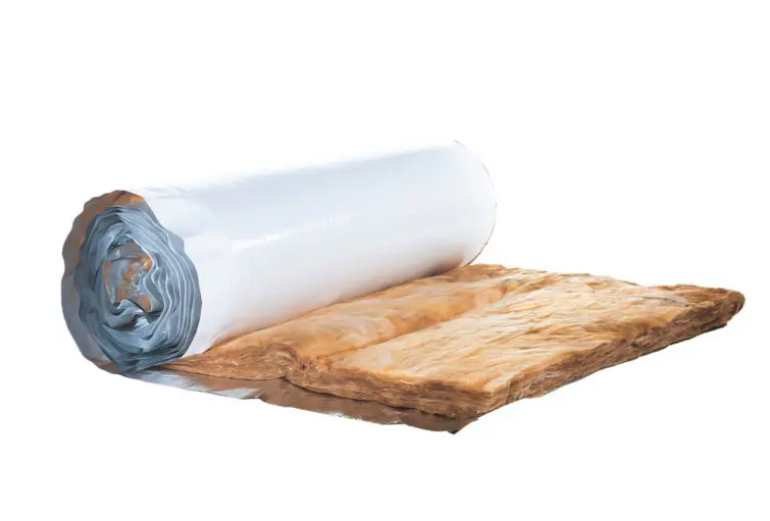
Fiberglass blanket insulation, also known as MBI (Metal Building Insulation), roll insulation, batt insulation, bag and sag, or cavity fill, is used to insulate metal buildings in roof purlins or purlin cavities, as well as between the girts and wall panels or within the girt cavity.
A roll of insulation material partially unwrapped on a white background.

What is fiberglass blanket insulation?

Fiberglass blanket insulation is available in a wide range of product types for different applications. It is available either faced with a vapor barrier, or unfaced. When unfaced, it is used above a liner system, or as a second layer above laminated insulation. When an insulation product contains a facing (vapor barrier), it has an additional layer of protection on one side, which helps to keep out elements like heat and moisture. If an insulation product is unfaced, it doesn’t have the additional layer. It is utilized in both metal buildings or concrete walls. It is installed over the roof purlins and/or in the purlin cavity, and it can also be used for installation between the girts and the wall panel or in the girt cavity. Contractors enjoy that it is lightweight, easy-to-install, budget-friendly and available in a wide range of R-values.

What are the R-values for fiberglass blanket insulation?

Fiberglass blanket insulation is used for metal building insulation in a variety of climate zones and is available in a wide range of R-values, including R-10, 11, 13, 16, 19, 25, 30, 38 and a combination of these.

In what locations can you use fiberglass insulation?

Fiberglass blanket insulation can be utilized in metal building insulation projects for walls and roofing in any climate zone. No matter where you and your project are located in the United States, fiberglass blanket insulation is a cost-effective, lightweight and energy-saving product that is easy to install in metal buildings. Fiberglass insulation may not be allowed in certain areas based on energy code requirements.
Indoor horse riding arena with sandy floor and jumping obstacles.

Fiberglass Insulation Benefits

Fiberglass blanket insulation offers several benefits for metal building applications, including:

  • Thermal Performance: Available in a range of R-values to accommodate different insulation requirements.
  • Moisture Protection: Faced insulation includes a vapor barrier that provides an additional layer of protection against moisture.
  • Versatile Applications: Suitable for roof purlin cavities and wall girt cavities in metal buildings.
  • Flexible Installation Options: Available in faced and unfaced configurations to suit different building assemblies.
  • Multiple Insulation Options: Available in various R-values, including R-10, R-11, R-13, R-16, R-19, R-25, R-30, and R-38, as well as combinations.

Looking for Fiberglass Insulation for Your Metal Building?

Explore fiberglass blanket insulation options for your building’s roof and wall cavities. Contact our team to discuss your insulation requirements and available R-values.

Frequently Asked Questions

Fiberglass blanket insulation is one option for metal buildings. Also known as metal building insulation (MBI), it is used in roof purlin cavities and wall girt cavities. The appropriate insulation depends on the building design, climate, and applicable energy code requirements.

Fiberglass blanket insulation is available in a range of R-values, including R-10, R-11, R-13, R-16, R-19, R-25, R-30, and R-38. The appropriate R-value depends on the building’s design, climate, and applicable energy code requirements.

Faced fiberglass insulation includes a vapor barrier that provides an additional layer of moisture protection. Unfaced fiberglass insulation does not include this facing and can be used above a liner system or as an additional layer above laminated insulation.

Yes. Fiberglass blanket insulation is used in roof purlin cavities and wall girt cavities. It can be installed in different configurations depending on the building assembly and insulation requirements.

Metal building insulation (MBI) is a common name for insulation used in metal building applications. Fiberglass blanket insulation may also be called roll insulation, batt insulation, bag and sag, or cavity fill. It is used to insulate roof and wall cavities in metal buildings.

TOP