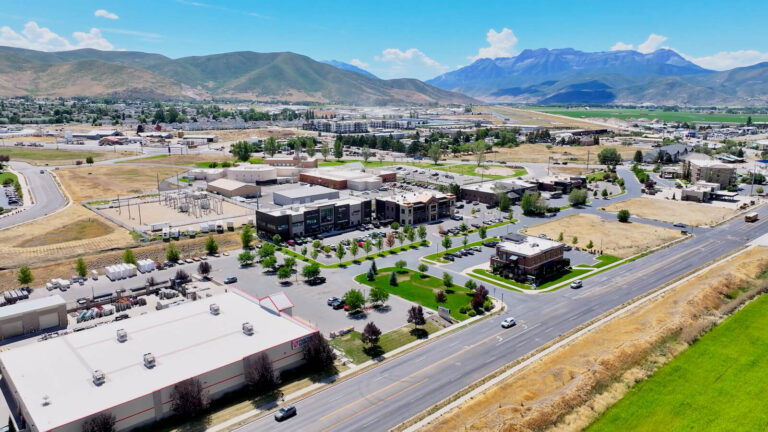
Pre-Engineered vs. Conventional Steel Buildings: What’s the Difference?
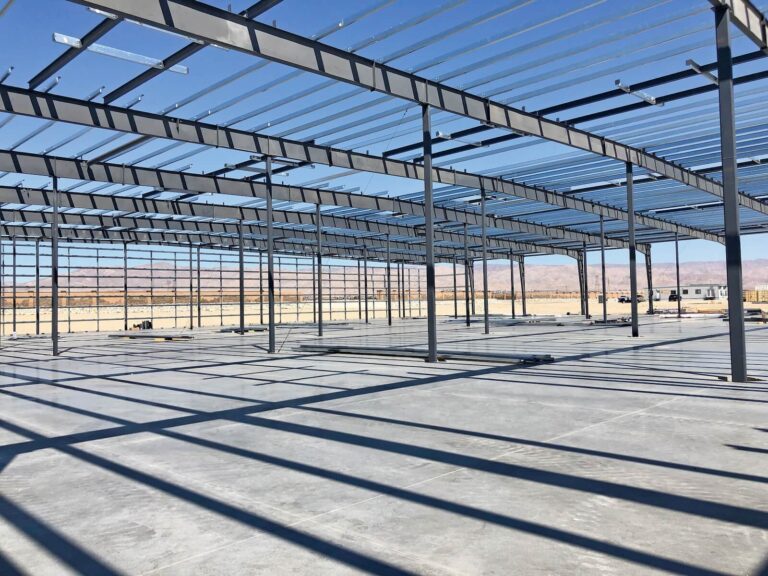
Compare pre-engineered and conventional steel buildings to understand the differences in design, customization, construction time, cost, and structural requirements.

Compare pre-engineered and conventional steel buildings to understand the differences in design, customization, construction time, cost, and structural requirements.
Western Steel Buildings measures success through efficient project management, clear communication, accountability, and proactive problem-solving. Their client-focused process minimizes delays, reduces surprises, protects investments, and ensures confidence throughout construction.
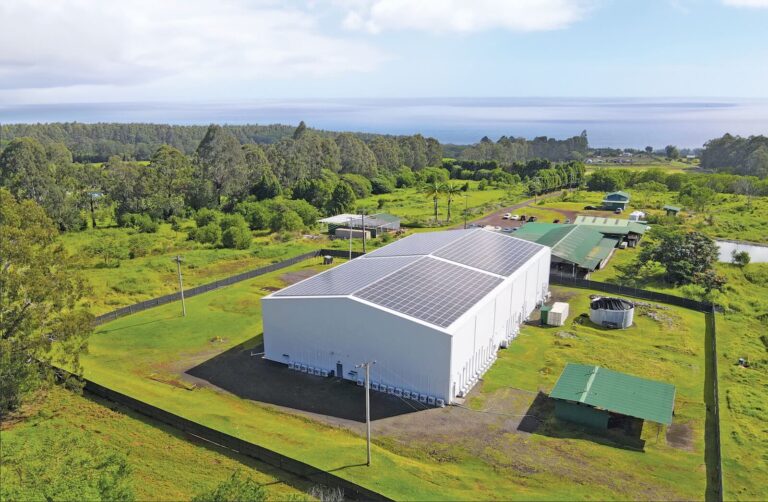
Western Steel Buildings transformed Big Island Grown’s vision into a durable, custom steel facility, overcoming unique operational and environmental challenges through expert design, planning, and construction to support efficiency and future growth.
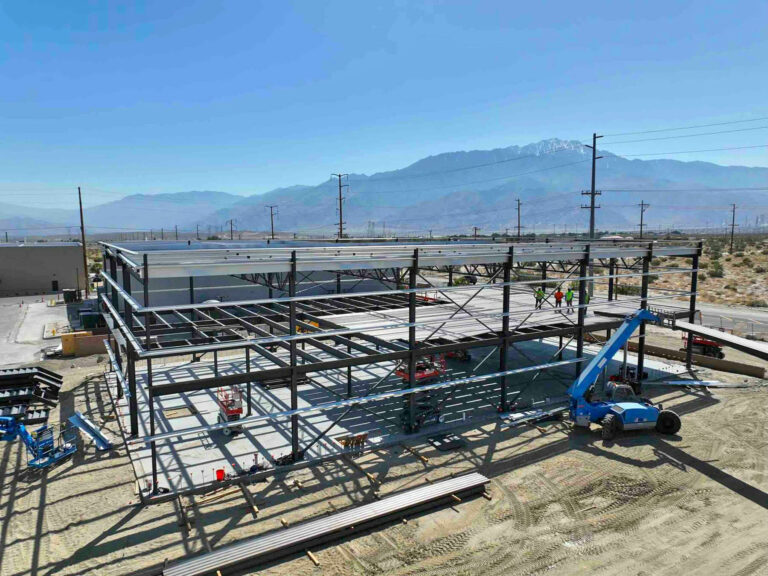
Hybrid steel buildings combine materials to deliver flexibility, efficiency, and durability. They meet complex project demands by leveraging multiple material strengths, offering innovative, cost-effective solutions for modern construction needs.
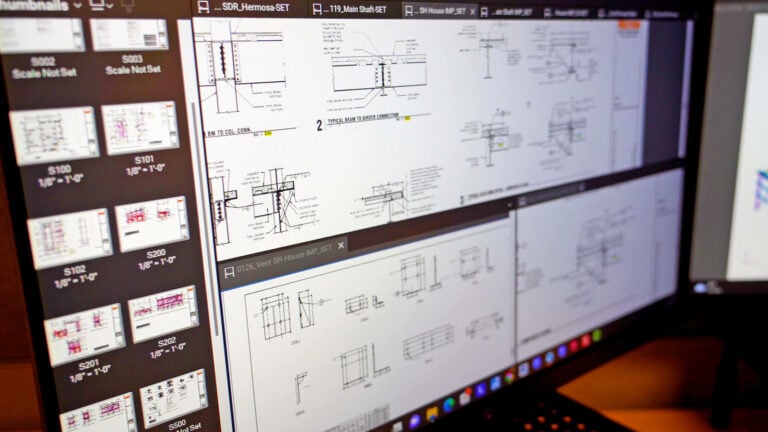
Modern construction relies on coordinated, accurate planning. Building Information Modeling transforms steel design by linking design intent with execution.
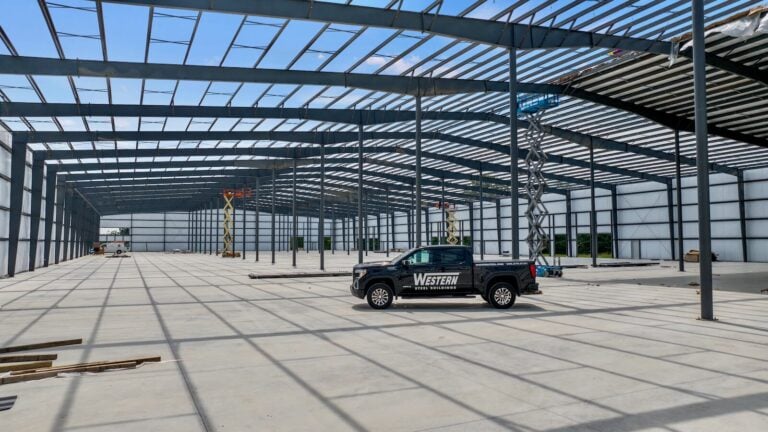
Structural steel detailing converts engineering designs into precise fabrication drawings, ensuring accurate construction, preventing errors, delays, and structural problems.
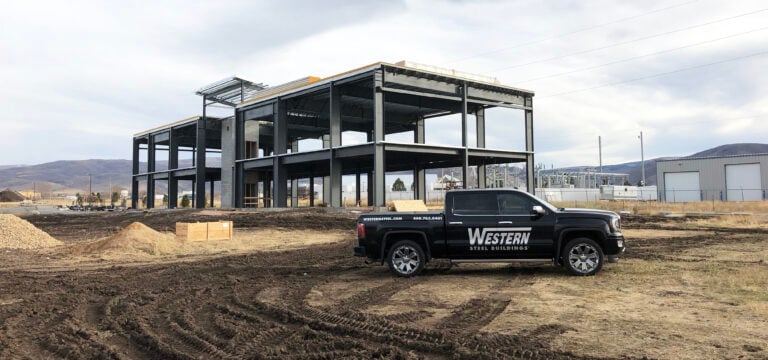
Modern commercial construction increasingly uses steel buildings because they provide faster construction, durability, flexibility, efficiency, and long-term value.
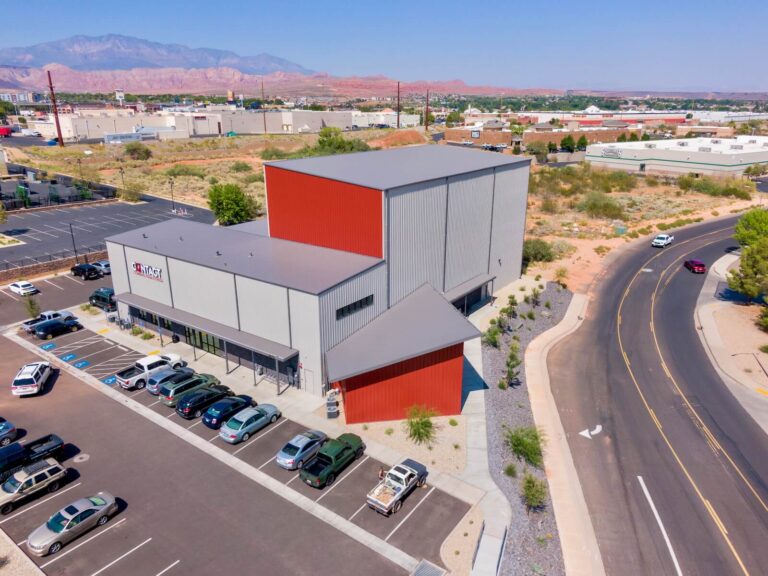
Commercial construction success relies on expert project management ensuring efficiency, cost control, risk mitigation, collaboration, and high-quality, safe project delivery.

Steel building strength depends on engineered foundations ensuring stability, load transfer, and long-term integrity through precise analysis and reliable design.