
Table of Contents
- Introduction
- Why Steel Building Foundations Matter More Than You Think
- Understanding Steel Building Foundations
- The Importance of Foundation Analysis and Design
- Pile Foundation Analysis and Design Explained
- Types of Pile Foundations Used in Steel Construction
- How Foundation Design Supports Steel Structure Performance
- Integrating Foundations with Steel Building Design
- Ground Conditions and Their Impact on Foundation Design
- Durability and Long-Term Performance
- Sustainability and Efficient Foundation Design
- Why Expertise Matters in Foundation Engineering
- Future-Proofing Steel Buildings Through Foundation Planning
- Frequently Asked Questions (FAQ)
- Conclusion
A steel building is only as strong as the foundation beneath it. While steel frames, columns, and beams often receive the most attention, the true performance of any structure begins below ground level. A well-engineered steel building foundation ensures stability, load transfer, and long-term structural integrity, regardless of building size or use.
At Western Steel Buildings, foundation planning is never an afterthought. Through precise foundation analysis and design, including advanced pile foundation analysis and design, every steel structure is supported by a system engineered to perform reliably under real-world conditions.
Why Steel Building Foundations Matter More Than You Think
Foundations serve a critical role in construction: they transfer loads safely from the structure to the ground. In steel construction, these loads can be significant due to wide spans, vertical heights, and heavy operational requirements.
An inadequately designed foundation may lead to:
- Differential settlement
- Structural movement or cracking
- Misalignment of steel frames
- Long-term performance issues
A properly engineered foundation eliminates these risks by ensuring the ground can safely support the structure throughout its lifespan.
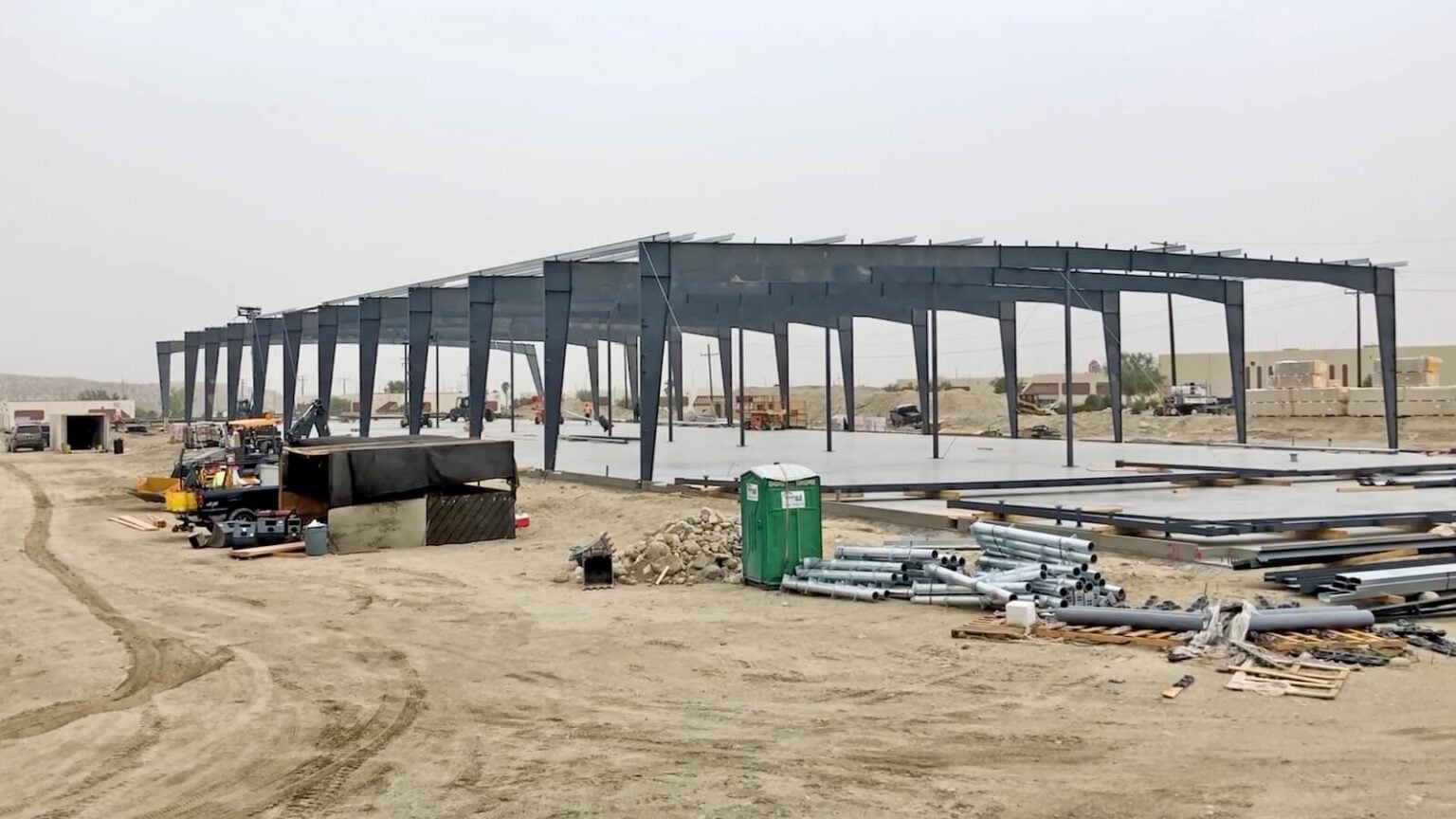
Understanding Steel Building Foundations
A steel building foundation is designed to support both vertical and lateral loads while accommodating soil behavior and environmental factors. Unlike generic foundation systems, steel building foundations are tailored to the specific demands of the structure above.
Factors considered during foundation planning include:
- Building size and configuration
- Structural loads and usage
- Soil type and bearing capacity
- Groundwater conditions
- Local environmental influences
Each of these elements plays a role in determining the most suitable foundation solution.
The Importance of Foundation Analysis and Design
Foundation analysis and design is a technical process that evaluates how loads interact with the ground beneath a structure. This step ensures the foundation system distributes weight evenly and remains stable over time.
The analysis process typically involves:
- Soil investigation and testing
- Load calculations from the steel structure
- Settlement and bearing capacity evaluation
- Selection of appropriate foundation types
By addressing these factors early, engineers can prevent costly adjustments during construction and avoid long-term structural issues.
Pile Foundation Analysis and Design Explained
In situations where surface soils cannot adequately support structural loads, pile foundations become essential. Pile foundation analysis and design focuses on transferring loads to deeper, more stable soil layers or rock.
Pile foundations are commonly used when:
- Soil near the surface has low bearing capacity
- Buildings carry heavy or concentrated loads
- Ground conditions vary across the site
- Settlement control is critical
Steel buildings often benefit from pile foundations due to their vertical loads and precision alignment requirements.

Types of Pile Foundations Used in Steel Construction
Pile foundations come in various forms, each selected based on soil conditions and project requirements.
Common pile types include:
- Driven piles for dense soil layers
- Bored piles for controlled installation
- Steel piles for high load capacity
- Composite piles for specialized applications
Each system is designed to work in harmony with the steel structure above, ensuring accurate load transfer and stability.
How Foundation Design Supports Steel Structure Performance
Steel structures rely on precise alignment. Even minor foundation movement can affect beam connections, column plumbness, and overall structural performance.
Effective foundation analysis & design ensures:
- Accurate positioning of anchor bolts
- Stable support for steel columns
- Resistance to lateral forces such as wind
- Long-term structural alignment
This precision supports both construction efficiency and long-term durability.
Integrating Foundations with Steel Building Design
One of the advantages of working with steel construction specialists is the integration between foundation and structural design. At Western Steel Buildings, foundation systems are designed alongside steel frames rather than separately.
This integrated approach allows for:
- Optimised load distribution
- Reduced material waste
- Improved construction sequencing
- Better coordination between trades
When foundation and steel designs work together, projects progress more smoothly and predictably.
Ground Conditions and Their Impact on Foundation Design
Every site presents unique ground conditions. Soil composition, moisture content, and compaction levels directly influence foundation behavior.
Foundation analysis evaluates:
- Clay, sand, or mixed soil conditions
- Potential for soil movement or shrinkage
- Groundwater presence
- Long-term settlement risk
By understanding these factors, engineers select foundation systems that perform reliably in the given environment.
Durability and Long-Term Performance
A well-designed foundation contributes significantly to a building’s lifespan. Steel structures supported by properly engineered foundations experience fewer maintenance issues and greater long-term stability.
Benefits include:
- Reduced structural movement
- Improved resistance to environmental stress
- Lower repair and maintenance costs
- Enhanced safety and reliability
These advantages make foundation quality a critical investment rather than a cost-saving area.
Sustainability and Efficient Foundation Design
Sustainable construction begins below ground. Thoughtful foundation design reduces material usage while maintaining performance.
Foundation efficiency supports sustainability by:
- Minimizing unnecessary excavation
- Reducing concrete volume through optimization
- Extending building lifespan
- Lowering long-term resource consumption
Steel buildings paired with efficient foundation systems align well with responsible construction practices.
Why Expertise Matters in Foundation Engineering
Foundation design requires specialised knowledge of soil mechanics, structural behaviour, and construction methods. Generic solutions rarely perform well under the specific demands of steel structures.
At Western Steel Buildings, foundation engineering is guided by experience and technical insight. Each project benefits from detailed evaluation and practical design solutions that support real-world construction challenges.
Future-Proofing Steel Buildings Through Foundation Planning
Modern buildings must adapt to future changes, whether through expansion, equipment upgrades, or altered use. A well-engineered foundation allows for these possibilities.
Forward-thinking foundation design considers:
- Potential vertical or horizontal expansion
- Increased loading requirements
- Long-term ground behavior
This planning ensures the structure remains adaptable throughout its operational life.
Frequently Asked Questions (FAQ)
-
What is a steel building foundation?
It is the structural system that transfers load from a steel building into the ground safely and efficiently.
-
Why is foundation analysis and design important?
It ensures the foundation can support structural loads without settlement or movement over time.
-
When is pile foundation analysis and design required?
Pile foundations are used when surface soils cannot adequately support building loads.
-
Can foundations be customised for each project?
Yes. Foundation systems are designed specifically for site conditions and structural requirements.
-
How long do steel building foundations last?
With proper design and construction, foundations can last for the entire lifespan of the building.
Conclusion
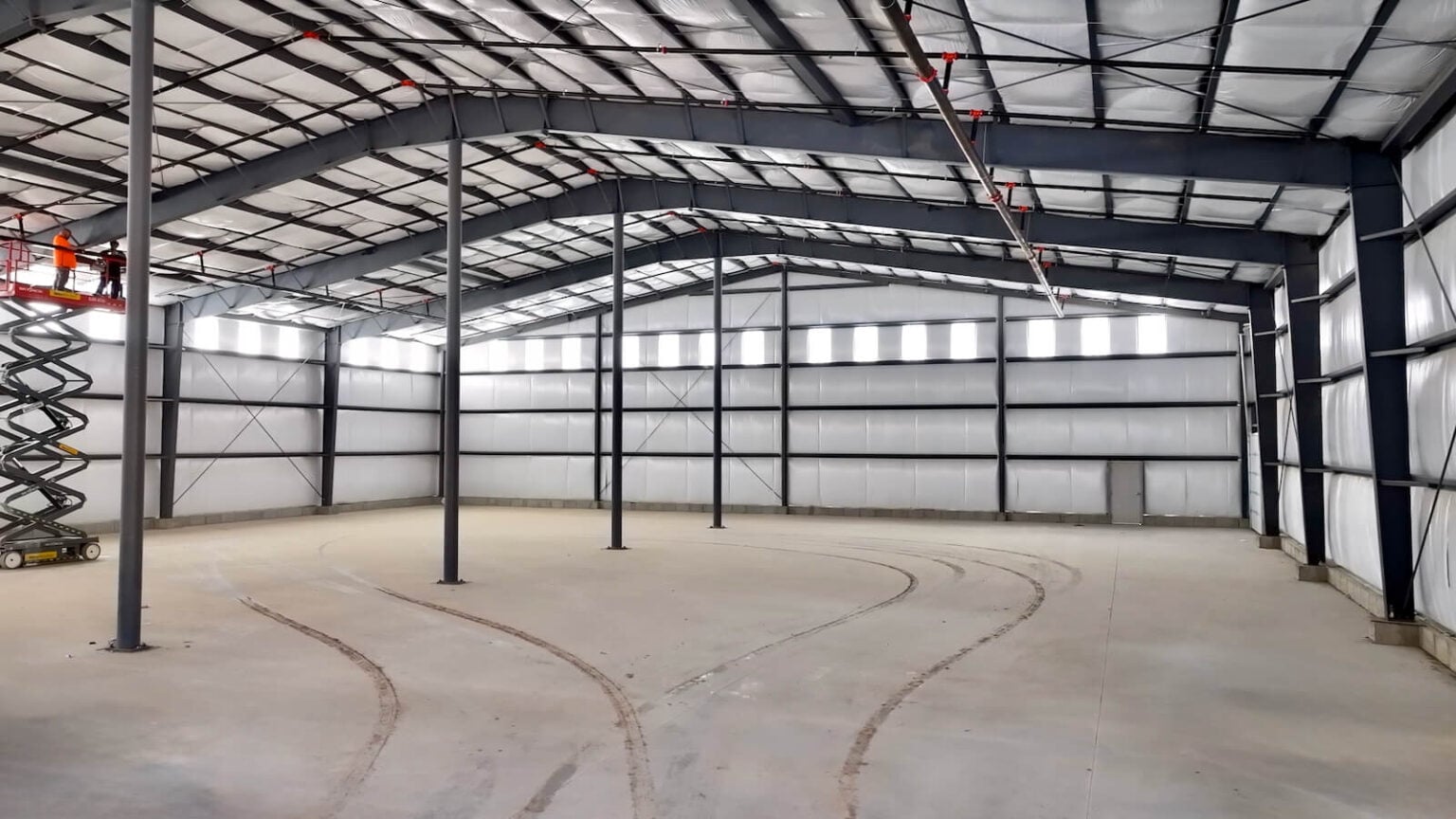
A steel structure’s performance begins with its foundation. Through expert steel building foundation planning, detailed foundation analysis and design, and precise pile foundation analysis and design, buildings gain the stability and strength required for long-term success.
At Western Steel Buildings, foundations are engineered with the same precision and care as the structures they support. By combining technical expertise with practical construction insight, each project is built on a foundation designed to perform today and adapt tomorrow.
Strong buildings start below ground—and that is where true engineering excellence begins.
Project Spotlight
Diamond Equipment Company – Project Spotlight
Supporting heavy-equipment sales and service, Diamond Equipment Company’s 13,838 sq. ft. steel facility in Evansville, Indiana was engineered by Western Steel Buildings using a pre-engineered steel system designed for durability and operational efficiency.
Honolulu Airport Walkway – Project Spotlight
Western Steel Buildings provided a durable, custom 12,000 square-foot covered walkway for Honolulu Airport, ensuring comfortable traveler access.
Jayco Hawaii – Project Spotlight
Western Steel’s pre-engineered solutions in Hawaii for Jayco emphasize open floor plans and ample natural light to enhance productivity and efficiency.
RS Retreat – Project Spotlight
Designed for long-term performance, the RS Retreat Garage in Coalville, Utah is a 13,940 sq. ft. pre-engineered steel building by Western Steel Buildings, supporting maintenance, equipment storage, and service operations with dependable durability.
Green River Public Safety Building – Project Spotlight
Serving municipal public safety needs, the Green River Public Safety Building is a 12,000 sq. ft. pre-engineered steel facility featuring single-slope structures, insulated metal panel walls, a brick façade, and resilient long-term performance.
Heber Valley Airport Hangars – Project Spotlight
Located at Heber Valley Airport, the Heber Hangars Project Spotlight highlights nine custom aviation hangars built by Western Steel Buildings, featuring tailored sizes, hydraulic door systems, and pre-engineered steel solutions designed for aircraft storage and multi-purpose use.
