Table of Contents
- Introduction
- Why Steel Has Become the Preferred Choice in Commercial Construction
- Understanding Commercial Steel Buildings
- Industrial Steel Frame Buildings: Built for Demanding Environments
- Steel Structure Building Construction Explained
- Speed and Efficiency Without Compromise
- Durability and Long-Term Performance
- Flexibility for Growth and Change
- Sustainability and Responsible Construction
- The Importance of Expertise in Steel Construction
- Future-Focused Building Solutions
- Frequently Asked Questions (FAQ)
- Conclusion
Modern construction is no longer just about putting up walls and roofs. Today’s commercial and industrial projects demand structures that are resilient, adaptable, efficient, and built with long-term performance in mind. This is why commercial steel buildings, industrial steel frame buildings, and advanced steel structure building construction methods have become the foundation of contemporary development.
At Western Steel Buildings, steel is not simply a material—it is a carefully engineered solution. From large-scale commercial developments to demanding industrial facilities, steel construction offers unmatched reliability, design flexibility, and structural confidence for projects that must perform for decades.
Why Steel Has Become the Preferred Choice in Commercial Construction
Commercial buildings must support business operations, meet regulatory standards, and remain adaptable as needs evolve. Traditional construction materials often struggle to deliver all of these requirements simultaneously. Steel, however, provides a balanced solution that aligns performance with practicality.
Commercial steel buildings offer consistent structural behaviour, allowing engineers to design with accuracy and predictability. This precision reduces construction risk and enables tighter control over budgets and timelines—critical considerations for commercial developments.
Steel also allows for wide internal spans, high ceilings, and efficient layouts, giving businesses the freedom to design functional, future-ready spaces.
Understanding Commercial Steel Buildings
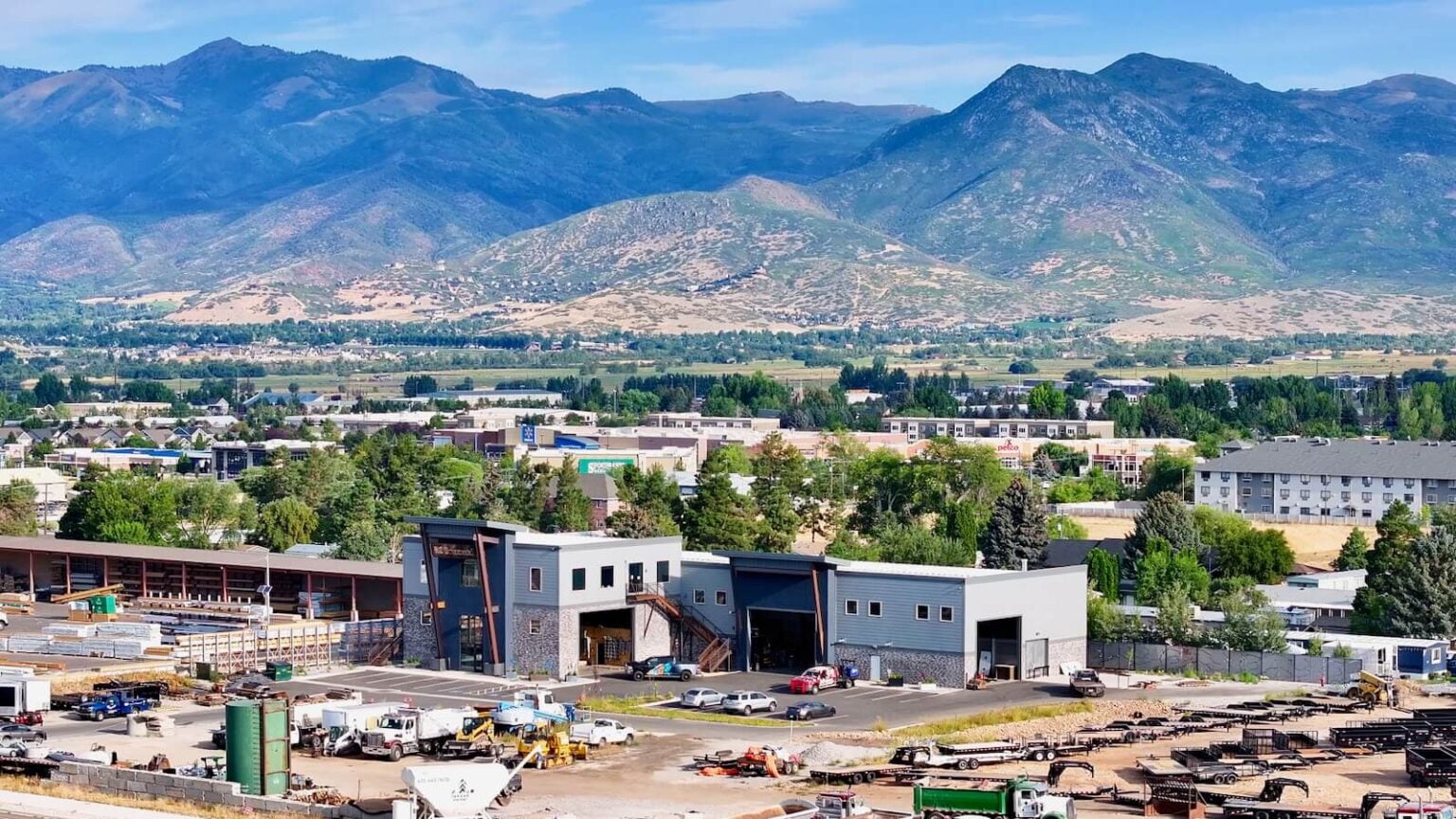
Commercial steel buildings are designed to support a broad range of uses, including offices, retail environments, healthcare facilities, and mixed-use developments. These structures are engineered with performance in mind, ensuring that every component works together as part of a cohesive system.
Key advantages include:
- Open floor plans that maximise usable space
- Flexibility to adapt to changing tenant or operational needs
- Faster construction timelines through prefabrication
- Long-term durability with minimal maintenance
Steel construction also integrates seamlessly with modern architectural styles, offering both functionality and visual appeal.
Industrial Steel Frame Buildings: Built for Demanding Environments
Industrial facilities place significant demands on building structures. Heavy equipment, constant movement, storage loads, and specialised systems require buildings that can perform reliably under pressure.
Industrial steel frame buildings are specifically engineered to handle these conditions. Steel frames provide exceptional strength without unnecessary bulk, allowing for efficient structures capable of supporting cranes, machinery, and complex operational layouts.
These buildings are commonly used for:
- Manufacturing plants
- Warehouses and logistics centres
- Processing facilities
- Infrastructure and utility buildings
Steel frames also allow for large, unobstructed interior spaces, improving workflow efficiency and operational flexibility.
Steel Structure Building Construction Explained
Steel structure building construction follows a methodical, engineering-led approach that prioritises accuracy and quality at every stage. Unlike traditional construction methods that rely heavily on on-site work, steel construction begins with detailed planning and fabrication.
The typical process includes:
- Structural analysis and design
- Off-site fabrication of steel components
- Site preparation and foundation works
- On-site erection of the steel framework
- Installation of cladding, roofing, and internal systems
This approach reduces waste, improves quality control, and minimises the risk of delays caused by environmental factors.

Speed and Efficiency Without Compromise
One of the most significant benefits of steel construction is efficiency. Prefabricated steel components arrive on site ready for assembly, reducing construction time and labour requirements.
Faster project delivery offers several advantages:
- Reduced overall construction costs
- Earlier operational use of the building
- Less exposure to weather-related delays
- Improved scheduling accuracy
Despite the speed, steel construction maintains high standards of quality, as components are manufactured under controlled conditions.
Durability and Long-Term Performance
Steel buildings are designed to last. When properly engineered and protected, steel structures resist many of the issues that affect traditional buildings, such as cracking, warping, and pest damage.
Long-term benefits include:
- Lower maintenance requirements
- Strong resistance to fire and extreme weather
- Structural stability over decades of use
- Reduced lifecycle costs
For commercial and industrial operators, this durability translates into predictable performance and long-term value.
Flexibility for Growth and Change
Businesses evolve, and buildings must be able to evolve with them. Steel structures offer exceptional flexibility, making future expansion or modification far easier than with traditional construction.
Steel buildings can be:
- Expanded horizontally or vertically
- Reconfigured internally with minimal disruption
- Adapted to accommodate new equipment or systems
This adaptability ensures that steel buildings remain functional and relevant throughout their lifespan.
Sustainability and Responsible Construction
Sustainability is a growing priority in construction, and steel supports environmentally responsible building practices. Steel is fully recyclable and often contains recycled content, reducing its environmental footprint.
In addition, steel buildings can incorporate advanced insulation systems that improve energy efficiency and reduce operational costs. These features support sustainability goals while delivering tangible financial benefits.
The Importance of Expertise in Steel Construction
While steel offers many advantages, the success of a project depends on expertise. Engineering precision, fabrication quality, and coordinated construction are essential for achieving optimal results.
At Western Steel Buildings, projects are guided by a deep understanding of steel behaviour, structural design, and construction processes. This expertise ensures that every building meets performance expectations and regulatory requirements.
Future-Focused Building Solutions
Modern construction must anticipate future needs. Steel buildings are inherently future-focused, offering flexibility, durability, and efficiency in a single solution.
Whether supporting business expansion, technological upgrades, or changing regulations, steel structures provide a reliable foundation for long-term success.
Frequently Asked Questions (FAQ)
What are commercial steel buildings best used for?
They are ideal for offices, retail spaces, healthcare facilities, and mixed-use developments that require flexibility and durability.
Why are industrial steel frame buildings so popular?
They provide the strength and open layouts needed for heavy equipment, storage, and continuous operations.
Is steel structure building construction cost-effective?
Yes. Faster build times, reduced maintenance, and long lifespan make steel a cost-efficient solution.
Can steel buildings be customised?
Absolutely. Steel structures can be tailored to meet specific design, layout, and performance requirements.
Are steel buildings environmentally responsible?
Steel is recyclable and supports energy-efficient construction when combined with proper design and insulation.
Conclusion
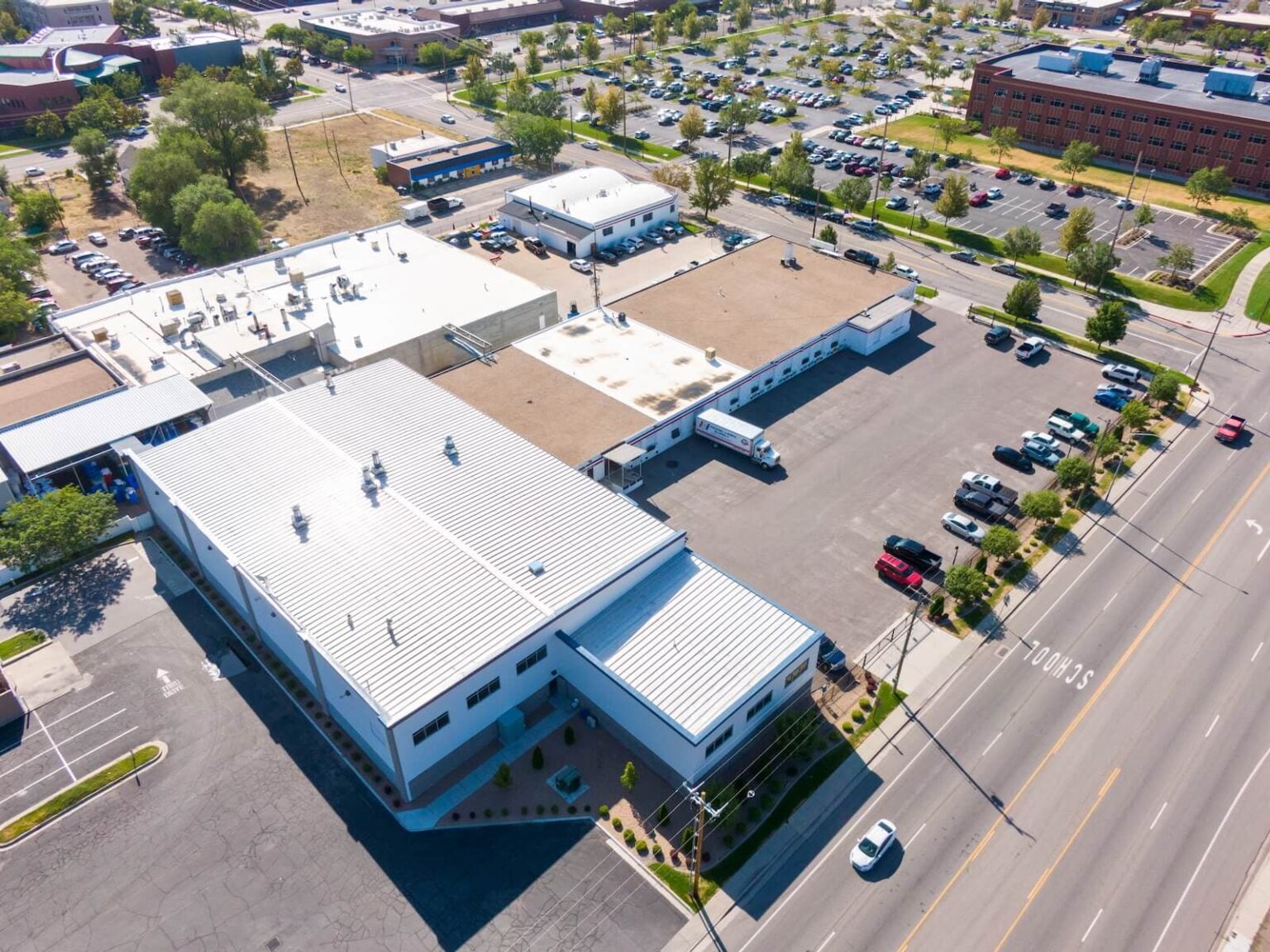
As construction standards continue to rise, commercial steel buildings, industrial steel frame buildings, and expertly delivered steel structure building construction provide a dependable path forward.
With their strength, flexibility, and efficiency, steel buildings support modern business needs while offering long-term value. By choosing Western Steel Buildings, project owners gain access to engineering expertise and construction solutions designed to perform well into the future.
Steel is more than a material—it is a commitment to quality, reliability, and sustainable growth.
Project Spotlight
Sunbelt Rentals – Project Spotlight
Customized for modern rental operations, the Sunbelt Rentals project in West Jordan, Utah is a pre-engineered steel building by Western Steel Buildings featuring insulated metal panels and a contemporary commercial exterior suited for equipment rental facilities.
RC Ornamental – Project Spotlight
Built to support ornamental metal fabrication, the RC Ornamental project in Heber, Utah is a 12,720 sq. ft. pre-engineered steel facility by Western Steel Buildings, engineered for efficiency, strength, and consistent performance.
Grantsville Headhouse – Project Spotlight
Located beside an active agricultural facility, the Grantsville Headhouse project is a 12,000 sq. ft. pre-engineered steel building delivered by Western Steel Buildings in partnership with Kadean Construction, featuring a standing seam roof and a secure, heavy-duty structural design.
Bob O’Link Golf Club – Project Spotlight
Western Steel specializes in delivering building solutions for comprehensive construction projects, including commercial storage buildings.
Novae LLC. – Project Spotlight
Serving advanced manufacturing needs, Novae Corp.’s new 142,035 sq. ft. facility was engineered by Western Steel Buildings and features six connected pre-engineered steel structures with gable, single-slope, and lean-to roof lines, along with a full mezzanine and heavy-duty crane systems for industrial flexibility.
Green River Public Safety Building – Project Spotlight
Serving municipal public safety needs, the Green River Public Safety Building is a 12,000 sq. ft. pre-engineered steel facility featuring single-slope structures, insulated metal panel walls, a brick façade, and resilient long-term performance.
