Conventional Framing Systems
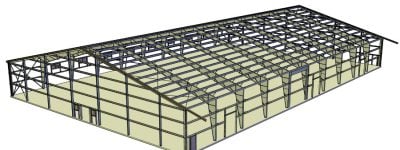
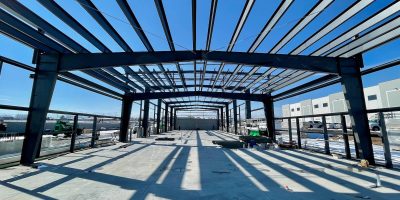
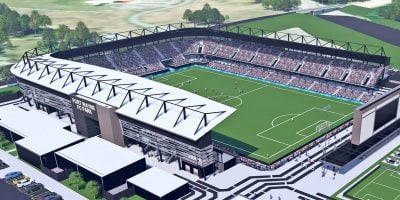
Conventional steel framing solutions are engineered for complex commercial buildings, multi-story structures, and demanding load requirements, providing structural strength, stability, and design flexibility to accommodate customized building layouts and architectural requirements.
Conventional Framing Systems
Superior Strength & Stability
Conventional steel buildings offer unparalleled structural integrity, ideal for large-scale projects and complex designs. The high strength-to-weight ratio of steel ensures stability and durability in even the most demanding conditions.
Architectural Versatility
These buildings allow for greater architectural creativity and flexibility. Whether you need intricate design details, wide open spaces, or multi-story structures, conventional steel construction can accommodate your vision.
Enhanced Durability
Designed to withstand extreme weather conditions, fire, pests, and corrosion, conventional steel buildings provide long-lasting and reliable performance. They require minimal maintenance, reducing long-term operational costs.
Scalability & Adaptability
Conventional steel buildings can easily be modified or expanded to meet your growing needs. Their modular nature allows for straightforward additions and alterations, ensuring your building remains functional as your requirements evolve.
Benefits of Conventional Steel Framing Systems
Conventional steel framing offers strength, design flexibility, and reliable structural performance for complex commercial and multi-story building projects. Its advantages include:
High Load-Bearing Capacity
Structural steel framing can be engineered to support demanding building loads, heavy equipment, and complex structural requirements.
Design Flexibility
Ideal for Complex Buildings
Adaptability for Future Expansion
Structural systems can account for potential building modifications and expansions when these requirements are included in the initial engineering design.
Durability and Structural Reliability
Properly designed, protected, and maintained steel framing provides long-term structural performance for a wide range of building applications.
Frequently Asked Questions
What is a conventional steel framing system?
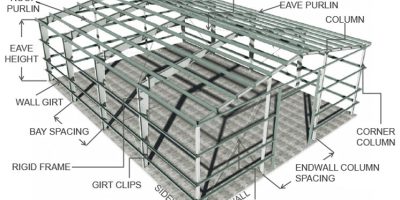
A conventional steel framing system uses structural steel members such as beams, columns, and connections to support a building. It offers flexibility for custom layouts, complex structures, and projects with demanding load requirements.
What are the advantages of conventional steel construction?
What types of buildings are suitable for conventional steel framing?
Conventional steel framing is suitable for a range of projects, including hospitals, hotels, office buildings, high-rise facilities, and other commercial or industrial structures that require customized structural solutions.
How is conventional steel framing different from pre-engineered metal buildings?
Conventional steel framing typically uses individually selected structural members and connections to accommodate complex layouts and varied loading requirements. Pre-engineered metal buildings use coordinated, engineered building systems that are often suited to more standardized layouts. The best choice depends on the building’s size, use, and structural complexity.
Can conventional steel framing accommodate future building expansion?
Yes, a conventional steel structure can be designed with future expansion in mind. Potential additions should be considered during the initial engineering process so the structural system can account for future loads and connection requirements.