
Table of Contents
- Introduction
- Understanding Project Management for Construction Projects
- The Role of Construction Project Management in Commercial Builds
- Why Commercial Construction Projects Demand Specialist Management
- Construction Project Management Services at Western Steel Buildings
- The Importance of Project Management in Steel Construction
- Benefits of Professional Commercial Construction Project Management
- Why Choose Western Steel Buildings
- The Future of Commercial Construction Project Management
- Frequently Asked Questions (FAQ)
- Conclusion
Delivering Commercial Builds with Precision, Control, and Confidence
In modern commercial construction, success is no longer defined by completing a project alone. It is measured by how efficiently timelines are met, how costs are controlled, how risks are mitigated, and how seamlessly multiple stakeholders collaborate. This is where project management for construction projects becomes the backbone of every successful commercial build.
At Western Steel Buildings, construction project management services are delivered with a strong focus on clarity, accountability, and performance. From early planning through to final handover, professional project management ensures that commercial construction projects are delivered safely, sustainably, and to the highest standards.
This page explores the value of commercial construction project management, how it supports complex steel and commercial structures, and why expert oversight is essential in today’s demanding construction environment.
Understanding Project Management for Construction Projects
Construction project management is a structured process that oversees planning, coordination, execution, and completion of construction work. Unlike general management, it demands technical knowledge, industry experience, and an in-depth understanding of construction workflows.
For commercial projects, this role becomes even more critical due to:
- Larger budgets and financial exposure
- Multiple subcontractors and suppliers
- Complex regulatory requirements
- Tight deadlines linked to business operations
- Higher expectations for safety, quality, and compliance
Professional construction project management services ensure that every moving part works in alignment, reducing delays and preventing costly errors.
The Role of Construction Project Management in Commercial Builds
Commercial construction projects are multi-layered operations. From steel structures and foundations to electrical, mechanical, and architectural finishes, every stage must be carefully coordinated.
Effective commercial construction project management includes:
- Strategic planning and scheduling
- Budget forecasting and cost control
- Contractor coordination and supervision
- Quality assurance and compliance checks
- Risk assessment and mitigation
- Health and safety oversight
Without experienced project management, even well-designed projects can suffer from inefficiencies, disputes, or missed deadlines.
Why Commercial Construction Projects Demand Specialist Management
Commercial buildings are fundamentally different from residential projects. They must support business operations, meet strict performance standards, and comply with extensive regulations.
Specialist project management for construction projects is essential because commercial builds often involve:
- Steel frame structures with precise engineering requirements
- Large-scale site logistics and material handling
- Complex approval processes and inspections
- Multiple stakeholders, including investors, consultants, and authorities
- Long-term durability and operational efficiency expectations
A structured management approach ensures that these challenges are addressed proactively rather than reactively.
Construction Project Management Services at Western Steel Buildings
At Western Steel Buildings, project management is not treated as an administrative task but as a strategic service that drives project success. Each commercial project is managed with clear processes, measurable milestones, and transparent communication.
Pre-Construction Planning and Strategy
Successful commercial projects begin long before construction starts. During the pre-construction phase, project managers focus on feasibility, planning, and risk assessment.
Key activities include:
- Scope definition and project objectives
- Programme development and scheduling
- Budget planning and cost estimation
- Resource and procurement planning
- Risk identification and mitigation strategies
This early planning phase sets realistic expectations and establishes a strong foundation for smooth execution.
Budget Control and Cost Management
One of the greatest risks in commercial construction is cost overrun. Professional construction project management services ensure that budgets remain controlled without compromising quality.
Cost management involves:
- Accurate forecasting and cost tracking
- Procurement coordination and supplier negotiation
- Monitoring variations and change requests
- Identifying cost efficiencies throughout the build
By maintaining financial transparency, project managers help clients make informed decisions at every stage.
Program Scheduling and Time Management
Delays in commercial construction can directly impact business operations and revenue. Effective scheduling ensures that each phase of the project progresses without disruption.
Project managers oversee:
- Detailed construction programmes
- Coordination of trades and suppliers
- Monitoring progress against milestones
- Proactive resolution of scheduling conflicts
Strong time management keeps projects on track and minimises downtime.
Contractor and Stakeholder Coordination
Commercial projects involve multiple contractors, consultants, and suppliers. Without strong leadership, communication breakdowns can quickly derail progress.
Through structured commercial construction project management, Western Steel Buildings ensures:
- Clear roles and responsibilities
- Regular progress meetings and reporting
- Consistent communication between stakeholders
- Alignment between design, engineering, and construction teams
This coordinated approach reduces disputes and improves overall efficiency.
Quality Assurance and Compliance
Quality control is essential in commercial construction, particularly for steel structures and load-bearing elements. Project managers ensure that all work meets required standards and specifications.
This includes:
- Inspection and testing schedules
- Compliance with building regulations and standards
- Documentation and certification management
- Continuous quality monitoring throughout construction
A disciplined quality approach protects long-term performance and safety.
Health, Safety, and Risk Management
Construction sites present inherent risks, especially on large commercial projects. Effective project management places safety at the centre of every operation.
Key safety responsibilities include:
- Site safety planning and risk assessments
- Contractor compliance with safety regulations
- Ongoing monitoring and incident prevention
- Maintaining a culture of safety awareness
Strong safety management protects workers, stakeholders, and the project itself.

The Importance of Project Management in Steel Construction
Steel-based commercial buildings require precise coordination due to fabrication timelines, structural tolerances, and installation sequencing.
Expert project management for construction projects ensures:
- Timely coordination between fabrication and site delivery
- Accurate alignment between foundations and steel structures
- Efficient erection sequencing
- Minimal site disruption and downtime
For steel construction, professional management is not optional—it is essential for structural accuracy and project efficiency.
Benefits of Professional Commercial Construction Project Management
Investing in experienced project management delivers measurable benefits for commercial clients.
- Reduced Risk – Potential issues are identified early and addressed before they escalate into costly problems.
- Improved Cost Efficiency – Structured oversight prevents budget overruns and maximises value at every stage.
- Faster Project Delivery – Efficient scheduling and coordination minimise delays and keep projects moving.
- Higher Quality Outcomes – Continuous monitoring ensures that construction meets design intent and performance standards.
- Clear Communication – Clients benefit from transparency, regular updates, and informed decision-making.
Why Choose Western Steel Buildings
Western Steel Buildings brings industry knowledge, technical expertise, and practical experience to every commercial project. Their approach to construction project management services is built on trust, precision, and accountability.
Clients benefit from:
- Dedicated project managers
- Proven commercial construction experience
- Integrated steel and construction expertise
- Clear reporting and communication
- Commitment to safety and quality
This comprehensive approach ensures reliable delivery from concept to completion.
The Future of Commercial Construction Project Management
As commercial construction becomes more complex, the role of project management continues to evolve. Digital planning tools, sustainability targets, and advanced construction methods demand a more strategic management approach.
Future-focused commercial construction project management will increasingly emphasise:
- Data-driven decision-making
- Sustainable construction practices
- Collaborative delivery models
- Risk-based planning and execution
Western Steel Buildings remains aligned with these evolving demands, ensuring clients benefit from modern, efficient management practices.
Frequently Asked Questions (FAQ)
-
What is project management for construction projects?
It is the professional oversight of planning, coordination, execution, and completion of construction work to ensure projects are delivered safely, on time, and within budget.
-
Why is construction project management important for commercial projects?
Commercial builds are complex and high-value. Project management reduces risk, controls costs, and ensures quality and compliance.
-
What services are included in construction project management?
Services typically include planning, budgeting, scheduling, contractor coordination, quality control, and safety management.
-
How does project management improve cost control?
Through accurate forecasting, procurement oversight, and continuous cost monitoring, unnecessary expenses are avoided.
-
Can project management help prevent delays?
Yes. Effective scheduling, coordination, and proactive issue resolution significantly reduce the risk of delays.

Conclusion
Project Spotlight
RC Ornamental – Project Spotlight
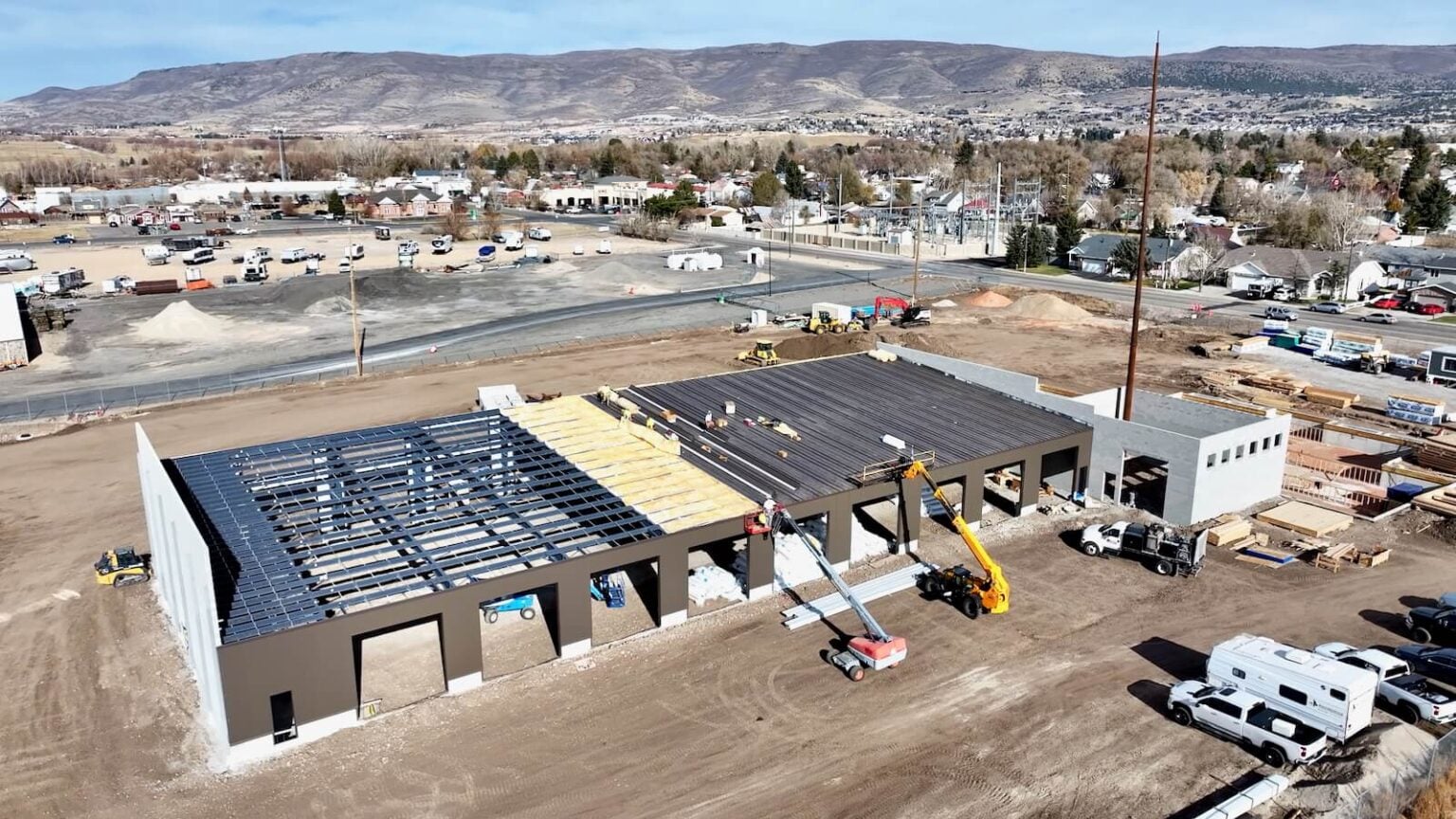
Built to support ornamental metal fabrication, the RC Ornamental project in Heber, Utah is a 12,720 sq. ft. pre-engineered steel facility by Western Steel Buildings, engineered for efficiency, strength, and consistent performance.
Invest 4F – Project Spotlight
Designed to support high-volume logistics, the Invest 4F project is a 100,000 sq. ft. pre-engineered steel warehouse in Garrett, Indiana, engineered by Western Steel Buildings with a gable standing seam roof, 30′ eave height, and 16 dock doors to streamline operations.
Sandbar SLC Beach Volleyball – Project Spotlight
Western Steel Buildings delivered a clear-span steel building for Utah’s first indoor and outdoor beach volleyball facility, with five sand courts and a spectator mezzanine.
Bob O’Link Golf Club – Project Spotlight
Western Steel specializes in delivering building solutions for comprehensive construction projects, including commercial storage buildings.
RISU America Manufacturing Campus – Project Spotlight
Western Steel Buildings delivered a four-building, 82,700 sq. ft. steel package for RISU America’s first manufacturing base outside Japan, a plastics campus in Shelbyville, Indiana built through general contractor Runnebohm Construction.
RS Retreat – Project Spotlight
Designed for long-term performance, the RS Retreat Garage in Coalville, Utah is a 13,940 sq. ft. pre-engineered steel building by Western Steel Buildings, supporting maintenance, equipment storage, and service operations with dependable durability.
