Table of Contents
- Introduction
- What Is Concrete Tilt-Up Construction?
- Why Tilt-Up Construction Is Growing in Popularity
- The Role of Concrete Structure Detail in Tilt-Up Projects
- Understanding Concrete Frame Structure Detail
- Design Flexibility and Architectural Appeal
- Sustainability Benefits of Tilt-Up Construction
- Applications of Concrete Tilt-Up Construction
- Construction Quality Starts with Planning
- Long-Term Performance and Maintenance
- FAQs About Concrete Tilt-Up Construction
- Conclusion
The construction industry continues to evolve as builders search for methods that balance speed, strength, and cost efficiency. Among the most reliable solutions for commercial and industrial projects is Concrete Tilt Up Construction, a technique that has steadily gained popularity due to its structural reliability and streamlined execution.
Unlike traditional building systems that rely heavily on masonry or steel framing, tilt-up construction uses large concrete wall panels that are cast on-site and lifted into position. This approach reduces construction time while delivering exceptional structural performance. When combined with detailed engineering and precise planning, tilt-up buildings provide long-term value across a wide range of applications.
In this article, we’ll explore how concrete tilt-up construction works, why it is favored in modern commercial development, and how attention to concrete structure detail and concrete frame structure detail plays a critical role in building performance.
What Is Concrete Tilt-Up Construction?
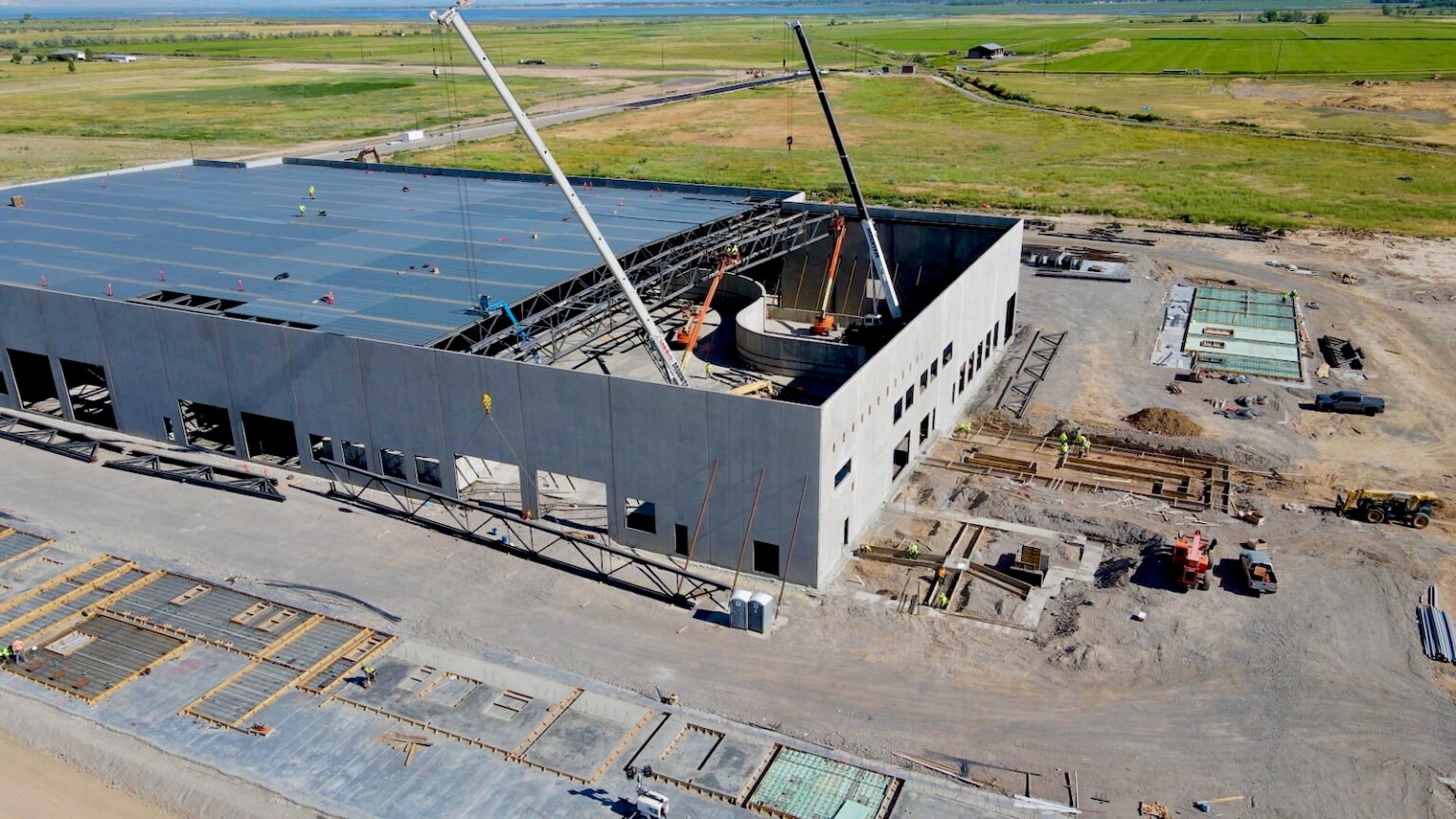
Concrete tilt-up construction is a building method where structural wall panels are formed horizontally on the building site, cured, and then raised into a vertical position using cranes. Once lifted, these panels are secured to foundations and connected to roof and floor systems to create a complete structural enclosure.
This method eliminates the need for extensive scaffolding and masonry work, allowing projects to progress quickly without compromising durability. Tilt-up buildings are commonly used for warehouses, manufacturing facilities, retail centers, offices, schools, and data centers.
What sets tilt-up construction apart is its combination of efficiency and strength. Concrete panels serve as both structural and exterior wall systems, reducing material redundancy and simplifying coordination.
Why Tilt-Up Construction Is Growing in Popularity
The demand for faster project delivery and lower lifecycle costs has made concrete tilt-up construction a preferred solution for many developers. Its benefits extend beyond construction speed and touch nearly every aspect of building performance.
- Accelerated Project Timelines
One of the greatest advantages of tilt-up construction is speed. Because wall panels are cast on-site, builders can begin fabrication while foundations are still being completed. This overlapping workflow significantly reduces overall project duration.
Once panels are cured, they are lifted and installed rapidly, allowing roof construction and interior work to begin sooner than with conventional systems.
- Exceptional Structural Strength
Concrete offers outstanding compressive strength and resistance to environmental stresses. Tilt-up panels are engineered to withstand wind loads, seismic activity, and long-term wear. When paired with precise concrete structure detail, these buildings deliver consistent performance across decades of use.
- Cost Efficiency Over Time
Although initial construction costs are competitive with other methods, tilt-up buildings excel in long-term value. Concrete walls require minimal maintenance, resist fire and pests, and provide thermal mass that contributes to energy efficiency. These factors translate into lower operating costs and fewer repairs.
The Role of Concrete Structure Detail in Tilt-Up Projects
Strong buildings are not defined by materials alone. Success in tilt-up construction depends heavily on engineering precision and attention to detail. Concrete structure detail refers to the careful design of connections, reinforcements, joints, and load paths throughout the building.
Key structural details include:
- Reinforcement placement within panels
- Panel-to-foundation connections
- Embedded hardware and lifting inserts
- Joint design for thermal movement
- Load transfer points between panels and roof systems
Each detail plays a critical role in how forces move through the structure. Poor detailing can lead to cracking, misalignment, or long-term structural issues. Well-executed detailing ensures the building performs exactly as engineered.
Understanding Concrete Frame Structure Detail
In many tilt-up buildings, wall panels work together with a concrete frame system composed of columns, beams, and slabs. Concrete frame structure detail ensures these elements act as a unified structural system rather than isolated components.
Proper frame detailing addresses:
- Column-to-panel connections
- Load distribution between floors and walls
- Lateral stability and shear resistance
- Foundation integration
- Expansion and contraction allowances
When frame details are carefully engineered, the building achieves superior structural balance. This integration allows tilt-up construction to support multi-story designs, heavy roof loads, and specialized industrial equipment.

Design Flexibility and Architectural Appeal
One common misconception is that concrete tilt-up buildings are visually plain. In reality, modern tilt-up construction allows for a wide range of architectural finishes and design features.
Concrete panels can be textured, stained, painted, or formed with architectural reveals. Embedded materials such as brick, stone, or metal accents add visual depth and brand identity. Openings for windows, doors, and canopies are easily integrated during panel casting.
This flexibility makes tilt-up construction suitable for both functional industrial spaces and visually refined commercial environments.
Sustainability Benefits of Tilt-Up Construction
Sustainability is increasingly important in commercial development, and tilt-up construction aligns well with environmentally responsible building practices.
Concrete panels provide excellent thermal mass, helping regulate interior temperatures and reduce HVAC demand. Local material sourcing and on-site casting reduce transportation emissions. Additionally, concrete’s durability means fewer replacements and less material waste over time.
Thoughtful concrete structure detailing further enhances sustainability by improving energy performance and minimizing maintenance requirements.
Applications of Concrete Tilt-Up Construction
Tilt-up construction is widely used across multiple industries due to its adaptability and strength. Common applications include:
- Warehouses and distribution centers
- Manufacturing plants
- Office buildings
- Retail and shopping centers
- Educational facilities
- Cold storage and logistics hubs
- Data centers and utility buildings
Each application benefits from the same core strengths: durability, speed, and long-term cost efficiency.
Construction Quality Starts with Planning
Successful tilt-up projects begin long before concrete is poured. Detailed planning ensures smooth coordination between engineering, fabrication, and installation. This includes accurate shop drawings, lifting plans, reinforcement schedules, and safety protocols.
When builders prioritize both concrete structure detail and concrete frame structure detail from the start, they reduce delays, avoid costly revisions, and ensure predictable outcomes.
Long-Term Performance and Maintenance
One of the most appealing aspects of tilt-up construction is its longevity. Concrete walls resist weathering, corrosion, and impact damage far better than many alternative systems. Routine maintenance is minimal, often limited to sealant inspections and surface cleaning.
This durability makes tilt-up buildings especially attractive for owners seeking stable long-term investments.
FAQs About Concrete Tilt-Up Construction
-
What types of buildings are best suited for concrete tilt-up construction?
Tilt-up construction is ideal for commercial, industrial, and institutional buildings that require strength, speed, and large open interior spaces.
-
How long does a tilt-up building last?
With proper engineering and detailing, tilt-up buildings can last several decades with minimal maintenance.
-
Is concrete tilt-up construction cost-effective?
Yes. While initial costs are competitive, long-term savings from reduced maintenance, durability, and energy efficiency make it highly cost-effective.
-
Can tilt-up buildings support heavy equipment?
Absolutely. With proper concrete frame structure detailing, tilt-up buildings can accommodate significant loads and specialized equipment.
-
Are tilt-up buildings customizable?
Yes. Modern tilt-up construction supports a wide range of architectural finishes, layouts, and functional requirements.

Conclusion
Concrete tilt-up construction continues to prove itself as a reliable, efficient, and future-ready building method. By combining speed with structural integrity, it delivers consistent results across a wide range of commercial and industrial applications.
When supported by precise concrete structure detail and carefully engineered concrete frame structure detail, tilt-up buildings offer long-term performance that meets both functional and aesthetic demands. For developers seeking durability, flexibility, and value, tilt-up construction remains one of the most compelling solutions in modern building design.
Project Spotlight
Patey Aviation Hangar – Project Spotlight
Spanning 67,000 sq. ft. in an L-shaped layout, the Patey Aviation Project Spotlight showcases an aviation hangar complex engineered by Western Steel Buildings, complete with six hangar bays and attached office space built for aviation-grade performance and flexibility.
RS Retreat – Project Spotlight
Designed for long-term performance, the RS Retreat Garage in Coalville, Utah is a 13,940 sq. ft. pre-engineered steel building by Western Steel Buildings, supporting maintenance, equipment storage, and service operations with dependable durability.
Heber Valley Airport Hangars – Project Spotlight
Located at Heber Valley Airport, the Heber Hangars Project Spotlight highlights nine custom aviation hangars built by Western Steel Buildings, featuring tailored sizes, hydraulic door systems, and pre-engineered steel solutions designed for aircraft storage and multi-purpose use.
Novae LLC. – Project Spotlight
Serving advanced manufacturing needs, Novae Corp.’s new 142,035 sq. ft. facility was engineered by Western Steel Buildings and features six connected pre-engineered steel structures with gable, single-slope, and lean-to roof lines, along with a full mezzanine and heavy-duty crane systems for industrial flexibility.
Sandbar SLC Beach Volleyball – Project Spotlight
Western Steel Buildings delivered a clear-span steel building for Utah’s first indoor and outdoor beach volleyball facility, with five sand courts and a spectator mezzanine.
Bob O’Link Golf Club – Project Spotlight
Western Steel specializes in delivering building solutions for comprehensive construction projects, including commercial storage buildings.
