Table of Contents
- Where digital precision meets real-world structural performance
- Understanding Building Information Modeling in Structural Work
- Why BIM Matters in Steel Construction Projects
- Building Information Modeling Support Solutions in Practice
- The Role of Building Modeling Support Structure in Design Accuracy
- How BIM Improves Coordination Across Project Teams
- Reducing Construction Risk Through Digital Modeling
- Why Steel Projects Rely Heavily on BIM Accuracy
- Integrating BIM Into the Full Project Lifecycle
- Western Steel’s Approach to BIM-Driven Engineering
- The Long-Term Value of BIM in Steel Construction
- A Smarter Way to Build Steel Structures
- Talk to Western Steel Today
- Frequently Asked Questions
Where digital precision meets real-world structural performance
Modern construction no longer relies solely on drawings, manual calculations, or isolated design stages. Today’s structural projects demand coordination, accuracy, and clarity long before any physical work begins.
This is where Building Information Modeling has fundamentally changed how steel structures are planned, designed, and executed.
At Western Steel, we approach BIM not as a software output, but as a complete coordination system that connects design intent with construction reality. When done correctly, it becomes a bridge between engineering precision and on-site execution.
Call for expert advice: 800-763-0461
Understanding Building Information Modeling in Structural Work
Building Information Modeling is more than a digital drawing technique. It is a structured process that builds a detailed virtual representation of a structure before it is physically constructed.
Unlike traditional drafting, BIM integrates geometry, material data, structural behavior, and construction sequencing into a unified model. This allows engineers and project teams to understand how every component interacts within the full structure.
In steel construction, this level of detail becomes especially important because even small inconsistencies can affect alignment, load distribution, and fabrication accuracy.
BIM helps eliminate those uncertainties early in the process.
Why BIM Matters in Steel Construction Projects
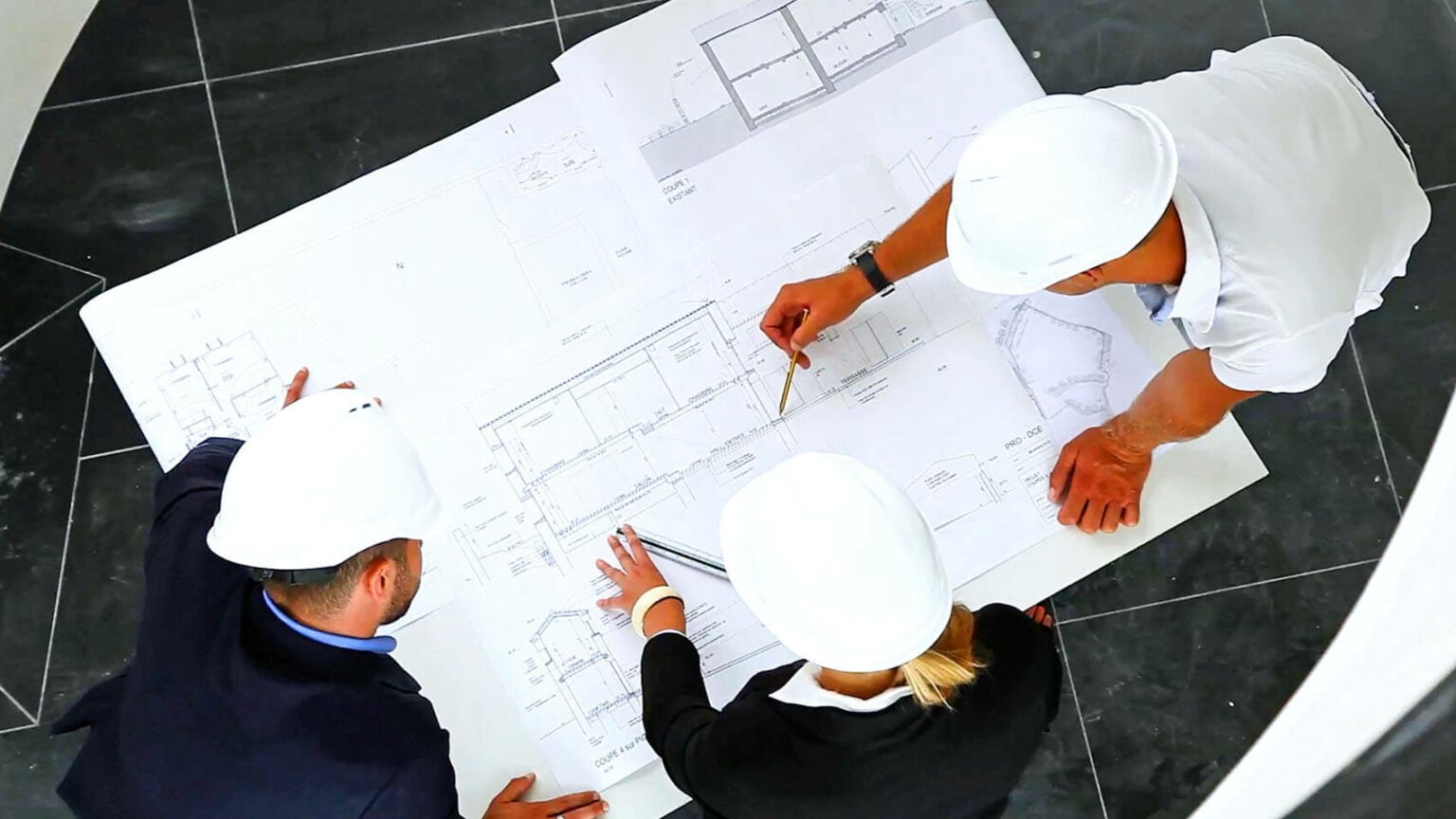
Steel structures depend on precision. Every connection, beam, and joint must align exactly as designed. There is very little tolerance for error once fabrication begins.
This is where Building Information Modeling Support Solutions play a critical role.
Instead of discovering conflicts during construction, BIM allows teams to identify and resolve them in the digital stage. This reduces rework, minimizes delays, and improves coordination between engineering, fabrication, and installation teams.
The result is a smoother transition from design to physical construction, with fewer surprises along the way.
Building Information Modeling Support Solutions in Practice
When we talk about Building Information Modeling Support Solutions, we are referring to the structured engineering and coordination processes that ensure BIM data is accurate, usable, and aligned with real-world construction requirements.
These solutions often include:
- model validation and structural accuracy checks
- coordination between architectural and structural systems
- clash detection between building components
- refinement of steel detailing for fabrication readiness
- alignment of design data with construction sequencing
Each of these steps plays a role in ensuring that the digital model reflects how the structure will actually be built.
Without proper support systems in place, BIM models can become disconnected from construction reality, reducing their effectiveness.
The Role of Building Modeling Support Structure in Design Accuracy
A Building Modeling Support Structure refers to the underlying framework that allows BIM systems to function effectively within a steel project environment.
It is not just about creating a model—it is about ensuring that the model is structured in a way that supports engineering accuracy, construction planning, and long-term usability.
In steel construction, this includes defining:
- how load-bearing elements are represented digitally
- how connections are modeled and validated
- how fabrication data is extracted from the system
- how design updates are managed across project stages
When this structure is properly established, the BIM model becomes a reliable reference throughout the entire project lifecycle.
How BIM Improves Coordination Across Project Teams
One of the most valuable aspects of Building Information Modeling is its ability to improve communication between different teams involved in a project.
In traditional workflows, architects, engineers, and fabricators often work in separate systems. This can lead to inconsistencies, misinterpretations, or delays when changes are made.
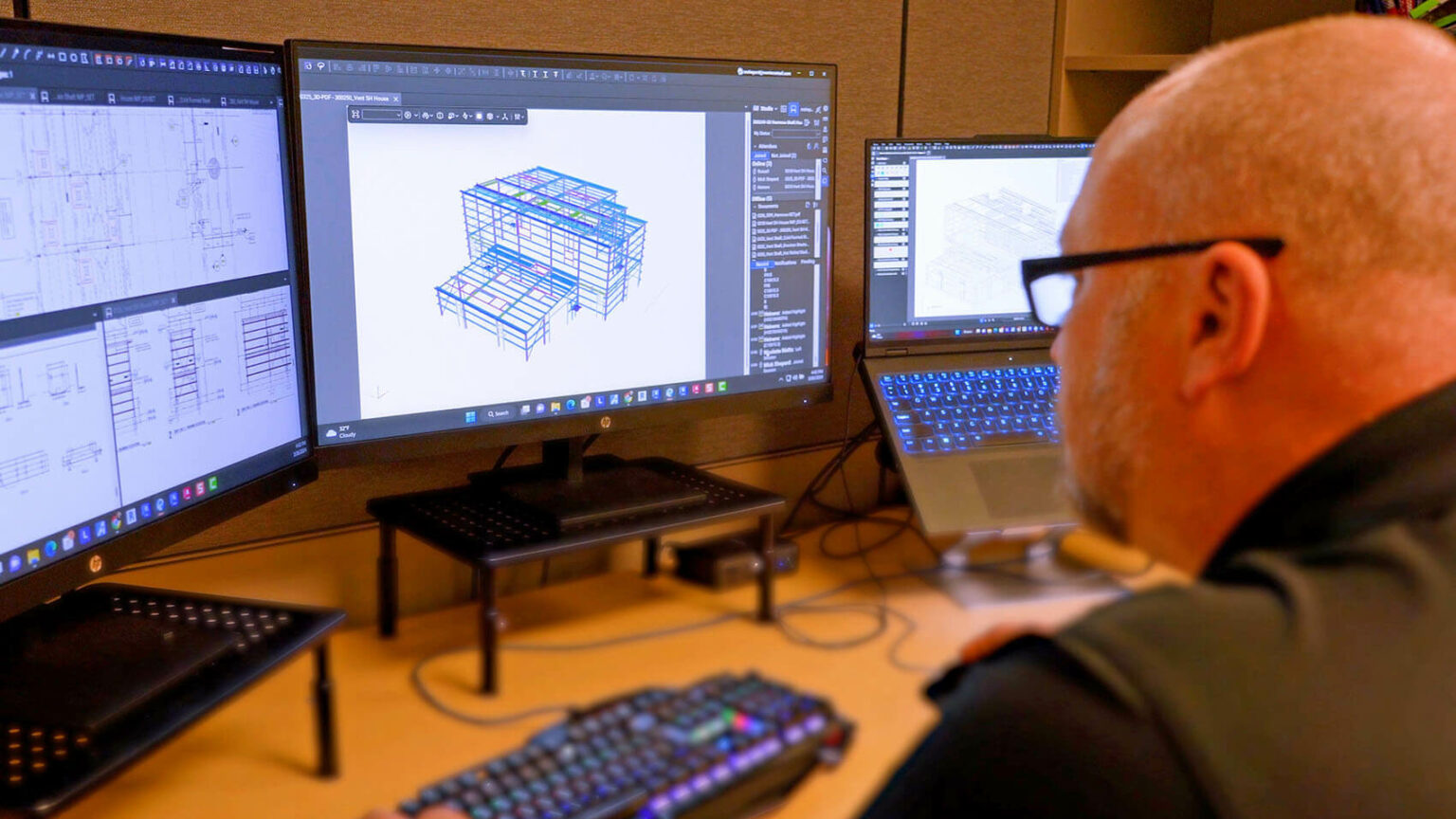
With BIM, all stakeholders work from a shared digital environment. This ensures that updates are reflected across all disciplines in real time.
For steel construction projects, this coordination is essential because even small design changes can impact fabrication and installation sequencing.
Reducing Construction Risk Through Digital Modeling
Construction risk is often tied to uncertainty. When project details are unclear or inconsistent, the likelihood of errors increases during fabrication and installation.
Building Information Modeling Support Solutions help reduce this risk by identifying potential issues before construction begins.
For example, a structural conflict between beams and mechanical systems can be detected in the model stage instead of during on-site installation. This allows for adjustments to be made without impacting the construction schedule.
By resolving these issues early, BIM helps create a more predictable and controlled construction process.
Why Steel Projects Rely Heavily on BIM Accuracy
Steel construction is highly dependent on precise measurements and fabrication data. Unlike materials that can be adjusted on-site, steel components are typically manufactured off-site to exact specifications.
This means that any error in design or modeling can lead directly to fabrication issues.
A well-structured Building Modeling Support Structure ensures that every component is accurately represented and that fabrication data aligns with real-world installation requirements.
This reduces waste, improves efficiency, and ensures that components fit correctly during assembly.
Integrating BIM Into the Full Project Lifecycle
BIM is most effective when it is integrated throughout the entire lifecycle of a project—not just during the design phase.
From early planning to final installation, Building Information Modeling Support Solutions help maintain consistency and accuracy at every stage.
During planning, BIM helps visualize the structure and identify design challenges. During fabrication, it ensures that components are produced correctly. During construction, it provides a reference for assembly and coordination.
This continuous integration makes BIM a powerful tool for improving overall project performance.
Western Steel’s Approach to BIM-Driven Engineering
At Western Steel, BIM is treated as an essential part of the engineering workflow rather than an optional tool.
Our approach focuses on ensuring that every Building Information Modeling system is aligned with real construction requirements, not just digital representation.
We prioritize accuracy in modeling, clarity in structural coordination, and reliability in data extraction for fabrication.
By strengthening the Building Modeling Support Structure, we help ensure that digital models translate effectively into physical structures without unnecessary complications.
The Long-Term Value of BIM in Steel Construction
The value of BIM extends beyond individual projects. Over time, it improves efficiency, reduces errors, and enhances collaboration across the construction process.
Projects that use well-structured Building Information Modeling Support Solutions tend to experience fewer delays, lower rework costs, and improved structural accuracy.
More importantly, they benefit from a clearer understanding of how design decisions impact real-world performance.
This makes BIM not just a technical tool, but a strategic advantage in modern construction.
A Smarter Way to Build Steel Structures
As construction projects become more complex, the need for accurate digital modeling continues to grow.
Building Information Modeling provides a way to manage that complexity with clarity and structure. When combined with strong engineering support systems, it becomes a reliable foundation for modern steel construction.
At Western Steel, we focus on making sure every model is not just detailed, but usable—supporting real-world construction with precision and confidence.
Talk to Western Steel Today
If you are planning a steel construction project and want reliable Building Information Modeling Support Solutions, Western Steel provides structured engineering support designed for accuracy, coordination, and long-term performance.
Call: 800-763-0461
Frequently Asked Questions
- What is Building Information Modeling?
It is a digital process that creates a detailed 3D representation of a structure with integrated engineering data. - Why is BIM important in steel construction?
Because steel requires high precision, BIM helps ensure accurate fabrication and installation. - What are Building Information Modeling Support Solutions?
They are structured processes that improve BIM accuracy, coordination, and construction readiness. - What is a Building Modeling Support Structure?
It is the underlying framework that ensures BIM models align with engineering and construction needs. - Does BIM reduce construction errors?
Yes, it helps identify and resolve issues before physical construction begins.
Modern steel construction depends on more than strength—it depends on precision, coordination, and clarity long before materials reach the site.
When Building Information Modeling is supported by strong engineering systems and structured workflows, it transforms construction from a reactive process into a controlled, predictable one.
That is where real efficiency begins.

Project Spotlight
Blue Sky Ranch – Project Spotlight
Created for premium equestrian use, the Blue Sky Ranch riding arena is a 33,000 sq. ft. clear-span steel structure by Western Steel Buildings, featuring high-end finishes and expansive glass within a luxury ranch setting.
Grantsville Headhouse – Project Spotlight
Located beside an active agricultural facility, the Grantsville Headhouse project is a 12,000 sq. ft. pre-engineered steel building delivered by Western Steel Buildings in partnership with Kadean Construction, featuring a standing seam roof and a secure, heavy-duty structural design.
Mendocino Brewing Company – Project Spotlight
A state-of-the-art brewery and tap room crafted by Western Steel, showcasing advanced steel building solutions and meticulous design.
BZI Steel – Project Spotlight
Engineered to accommodate oversized access requirements, the BZI Steel clear-span facility was delivered by Western Steel Buildings and features a 72′ × 20′6″ sidewall opening to support heavy fabrication operations.
Diamond Equipment Company – Project Spotlight
Supporting heavy-equipment sales and service, Diamond Equipment Company’s 13,838 sq. ft. steel facility in Evansville, Indiana was engineered by Western Steel Buildings using a pre-engineered steel system designed for durability and operational efficiency.
Las Vegas U-Haul – Project Spotlight
Supporting large-scale commercial operations, the Las Vegas U-Haul Project Spotlight highlights a 44,000 sq. ft. clear-span pre-engineered steel facility engineered by Western Steel Buildings, delivering open interior space, durability, and operational efficiency.
