Table of Contents
- Introduction
- Steel vs. Concrete: What Are You Really Comparing?
- Why More CEOs Are Choosing Steel for Storage Facilities
- Western Steel Buildings: Purpose-Built for Performance
- Why Steel Storage Buildings in Utah Are Gaining Momentum
- When Does Concrete Still Make Sense?
- Partnering with General Contractors and Developers
- Final Thoughts
- FAQs
For CEOs, investors, and business owners in Utah planning to develop or expand commercial storage facilities, one critical decision often sets the tone for the entire project: the choice between steel and concrete. While both materials are time-tested in construction, each has distinct advantages and limitations depending on project goals, timelines, climate conditions, and long-term maintenance.
At Western Steel Buildings, we specialize in engineering durable and scalable structures tailored to commercial use — including commercial warehouse storage, cold storage, retail fulfillment, and specialized storage buildings. With Utah’s business landscape growing rapidly, now is the perfect time to explore how modern steel solutions stack up against traditional concrete construction.
Steel vs. Concrete: What Are You Really Comparing?
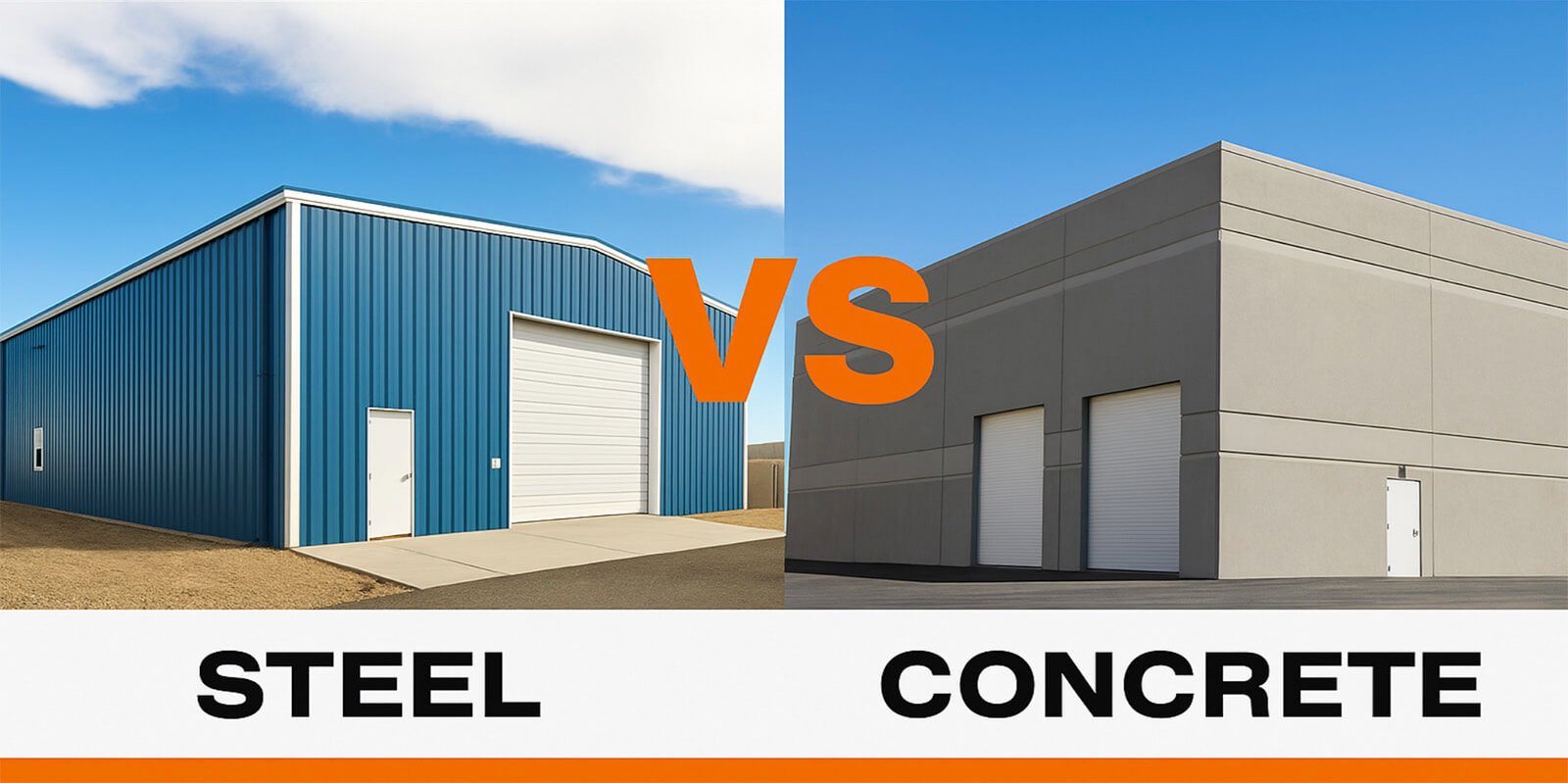
While both steel and concrete have earned their place in commercial construction, they serve different strengths. Concrete offers unparalleled compressive strength and is often used in foundational work, walls, and certain tilt-up systems. On the other hand, steel offers superior flexibility, faster build times, lower long-term maintenance, and unmatched design versatility.
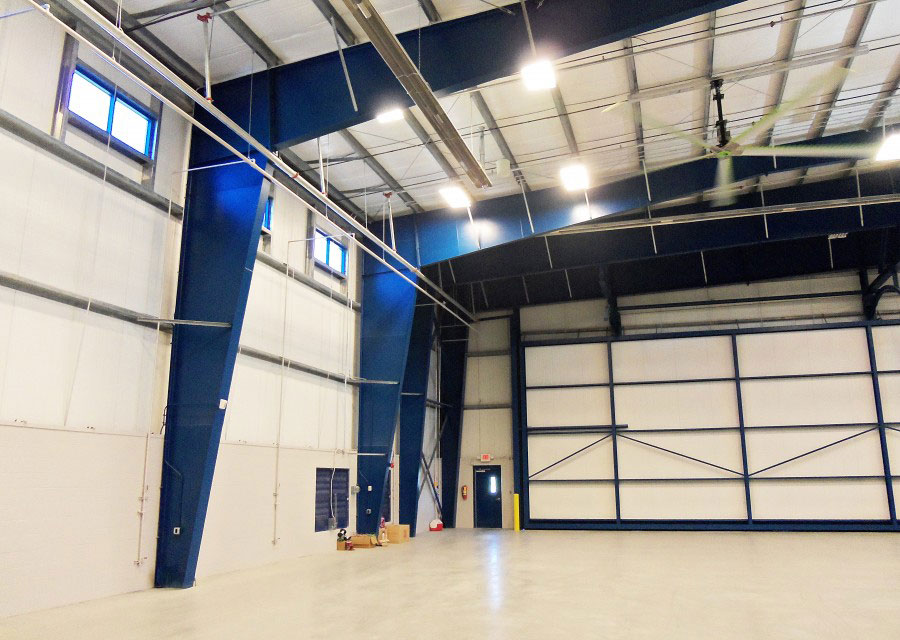
Steel buildings are engineered off-site, making assembly faster and less weather-dependent — a major advantage in Utah’s varied climate. Steel also allows for larger clear spans without internal columns, which is vital for storage facilities requiring flexible, open layouts.
Why More CEOs Are Choosing Steel for Storage Facilities
Steel construction has become the preferred option for businesses prioritizing speed, efficiency, and expansion potential. Western Steel Buildings offers fully customizable solutions for clients across industries — from industrial warehousing and logistics to climate-controlled storage and commercial inventory hubs.
Here’s why steel is often the smarter investment:
- Faster Installation: Components are pre-fabricated off-site and assembled quickly, reducing project timelines.
- Lower Costs Over Time: Steel buildings require less maintenance, are easier to expand, and minimize energy costs with advanced insulation options.
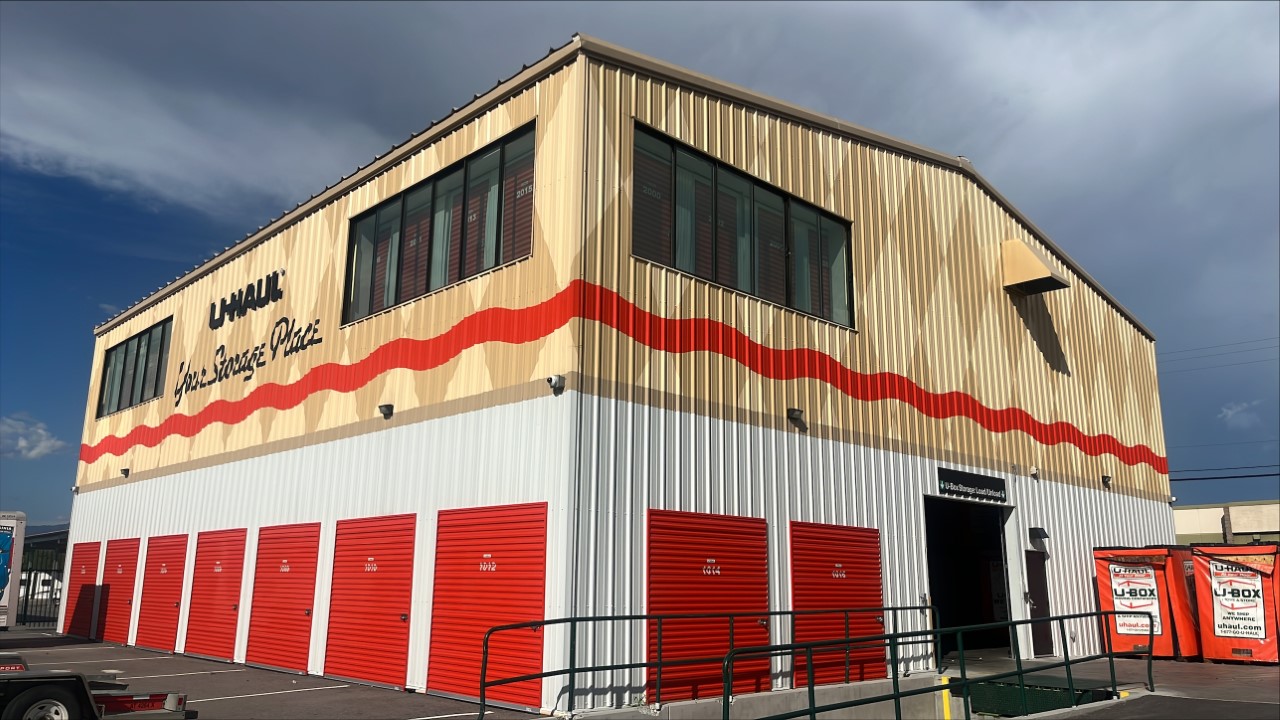
- Architectural Versatility: From mezzanines and multiple stories to integrated loading bays, steel allows more flexibility in design.
- Durability: Engineered to handle Utah’s snow loads, seismic zones, and temperature swings.
Western Steel Buildings: Purpose-Built for Performance
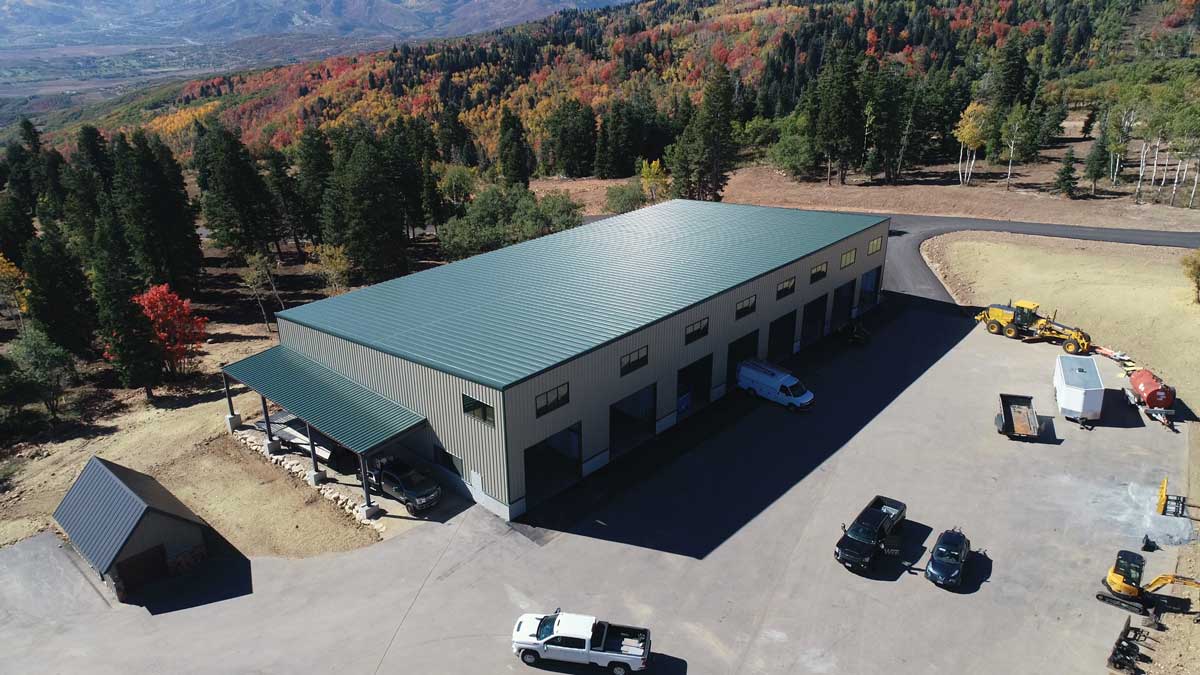
Western Steel Buildings has earned a reputation for delivering innovative steel construction projects throughout Utah. Whether you’re building a regional distribution center in Salt Lake City or a cold storage warehouse in Ogden, our team delivers projects designed to your operational and environmental needs.
We specialize in:
- Pre-Engineered Metal Buildings
- Hybrid Steel Structures
- Conventional Steel Buildings
- Concrete Tilt-Up Steel Buildings
Each structure is customized based on load requirements, site logistics, insulation, and long-term business goals. Our approach eliminates the cookie-cutter mentality — because no two businesses operate the same way.
Why Steel Storage Buildings in Utah Are Gaining Momentum
Utah’s growing logistics sector, coupled with a high demand for regional warehousing and e-commerce fulfillment, has created a perfect scenario for steel storage solutions. Our local projects demonstrate that steel can outperform traditional construction when it comes to:
- Speed to market
- Flexible interior configurations
- Temperature and humidity control for sensitive goods
- Structural longevity with minimal upkeep
Steel’s ability to scale is especially attractive to growing companies. Need to expand by another 10,000 square feet next year? Steel makes it possible — often without disrupting ongoing operations.
When Does Concrete Still Make Sense?
While steel dominates in flexibility and cost-efficiency, concrete still has a role in specific scenarios. For example:
- Concrete tilt-up construction may be ideal for certain architectural aesthetics or fire-rating requirements.
- It performs well in highly sensitive environments where noise, vibration, or fire concerns are critical.
- Some clients prefer the perceived permanence and visual strength of concrete for high-traffic storefronts or brand-centric facilities.
But even in these cases, Western Steel often recommends a hybrid solution — combining concrete tilt-up walls with steel framing for a best-of-both-worlds result.
Partnering with General Contractors and Developers
At Western Steel Buildings, collaboration is our core strength. We work as true partners with developers, architects, and general contractors — not as a disconnected vendor. From conceptual planning through installation, we ensure seamless coordination, design clarity, and on-time delivery.
If you’re a developer or general contractor looking to partner with a team that delivers real value — submit your details here through our Become a Partner form.
Final Thoughts
While concrete remains a viable option in some commercial builds, steel provides a greater return on investment for businesses that require adaptability, speed, and scalable growth. For commercial steel storage buildings, the smart money is increasingly on pre-engineered steel — particularly when working with a trusted name like Western Steel Buildings.
We understand the Utah business climate, construction challenges, and expansion pressures companies face. That’s why we build more than just buildings — we build business-ready infrastructure.
FAQs:
Can Western Steel help me decide between steel and hybrid or concrete solutions?
Yes. Our team offers personalized consultations to help determine whether a conventional, hybrid, or concrete tilt-up structure is best for your storage or warehouse needs.
How quickly can a commercial steel storage building be completed compared to concrete builds?
Steel buildings can often be completed in significantly less time than concrete alternatives due to pre-fabrication and simplified on-site assembly. Timelines vary based on size and scope.
Can my storage facility be expanded later without major reconstruction?
Definitely. Our steel structures are designed with scalability in mind. We can easily plan for future additions or retrofits as your business grows.
Is Western Steel equipped to handle storage facilities with temperature-sensitive requirements?
Yes. We offer insulation and climate control solutions for facilities like cold storage, dry goods warehousing, and other specialized storage environments.
Project Spotlight
Modern Pre-Engineered Metal Building Construction Details: A Step-by-Step Guide
Discover the step-by-step process of modern pre-engineered metal building construction with expert tips from industry leader Western Steel Buildings.
Cost-Effective Option for Fiberglass Blanket Insulation
Boost energy efficiency and cut costs with fiberglass insulation for metal buildings—offering superior durability, temperature control, and long-term savings.
Steel Building Foundation Design: Engineering Strength from the Ground Up
Steel building strength depends on engineered foundations ensuring stability, load transfer, and long-term integrity through precise analysis and reliable design.
Prefabricated Steel Building Vs Tilt-Up Construction
Discover why conventional steel structures are essential for modern commercial projects and how WSB leads the way in Utah’s steel industry.
Step-by-Step Overview of Metal Building Construction Details
A detailed breakdown of metal building construction focused on pre-engineered framing, roofing, insulation, and solutions by Western Steel.
Heber Gateway Plaza – Project Spotlight
Explore how Western Steel brought to life the Gateway Office Center, showcasing innovative design in a pre-engineered metal building.