Table of Contents
- Introduction
- What Is Prefabricated Steel Building Construction?
- What Is Tilt-Up Construction?
- Comparing the Two Building Methods
- When to Choose Prefabricated Steel
- When to Choose Tilt-Up Construction
- Real-World Applications from Western Steel Buildings
- Which Method Is More Sustainable?
- Tilt-Up vs. Steel: The Bottom Line
- Thinking Long-Term: Value and ROI
- Submit a Partner Request
- Summary:
- FAQs
The Difference Between Prefabricated Steel Building and Tilt-Up Construction – Know Which One is Perfect for Your Business
Choosing the right construction method is one of the most critical decisions a business owner, developer, or project manager can make. For commercial projects that demand efficiency, durability, and value, two of the most widely debated options are prefabricated steel structures and tilt-up construction. Both methods have revolutionized the construction industry in their own way—but which one is right for your business?
At Western Steel Buildings, we specialize in delivering high-performance steel solutions tailored to fit your unique requirements. Whether you’re planning a warehouse, storage facility, or large-scale commercial building, understanding the key differences between prefabricated and tilt-up methods will guide your project to long-term success.
What Is Prefabricated Steel Building Construction?
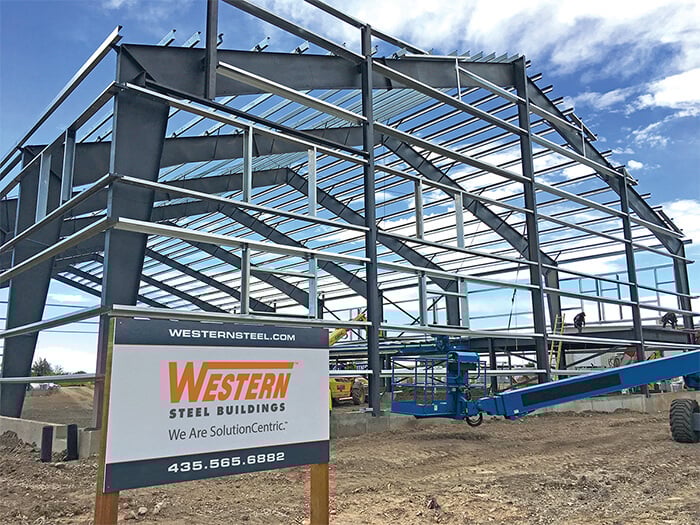
Prefabricated steel buildings (also known as pre-engineered steel buildings) are created by manufacturing all components in a factory setting and shipping them to the construction site for assembly. These systems include the framing, roofing, wall panels, and connections—all pre-engineered and tested for fast, efficient construction.
Western Steel Buildings excels in providing custom-engineered steel packages for clients across North America. Our prefabricated systems allow for design flexibility and speed unmatched by traditional builds.
Benefits of Prefabricated Steel Structures:
- Fast turnaround times
- Reduced labor and waste onsite
- Lower overall costs
- High strength-to-weight ratio
- Design adaptability
What Is Tilt-Up Construction?
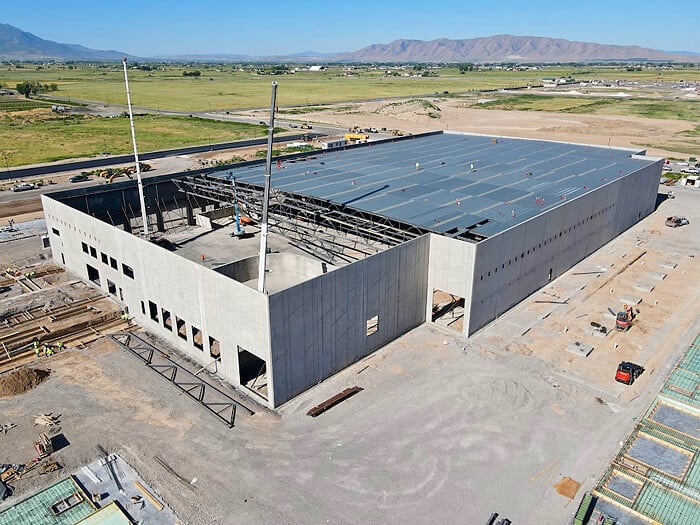
Tilt-up construction is a method where large concrete wall panels are poured on-site and then lifted (or “tilted”) into place by cranes to form the walls of a structure. This method has grown in popularity for large-scale projects like distribution centers, warehouses, and retail buildings due to its speed and streamlined labor process.
However, the efficiency of tilt-up construction depends significantly on site conditions, labor availability, and concrete pricing in your area.
Comparing the Two Building Methods
1. Speed of Construction
Prefabricated Steel: One of the most significant advantages is construction speed. Since components are manufactured offsite, the erection time is much faster than conventional methods. Western Steel Buildings provides a streamlined erection process that ensures minimal downtime.
Tilt-Up: Although quick compared to traditional builds, tilt-up requires time for concrete curing and relies heavily on ideal weather and site conditions.
2. Cost Comparison
The cost of pre-engineered steel buildings is typically lower than tilt-up structures due to material efficiency and reduced labor costs. The materials used in prefabricated steel are optimized for weight and load-bearing capacity, offering significant savings.
On the other hand, tilt-up construction costs can be impacted by concrete prices, site prep, and the need for heavy machinery. These projects may also involve more laborers onsite, potentially increasing the total project expenditure.
3. Design Flexibility
Steel Buildings: Western Steel offers complete customization of span widths, ceiling heights, door placements, and insulation packages. Prefabricated systems are ideal for everything from agricultural barns to industrial hangars and multi-use commercial buildings.
Tilt-Up: While offering some flexibility, tilt-up construction may be limited in complex architectural details without increasing costs significantly.
4. Durability and Maintenance
Both building types are durable, but steel buildings are designed to withstand extreme weather, seismic loads, and corrosion. With protective coatings and minimal wear, maintenance is significantly lower over the lifespan of the building.
Tilt-up structures offer durability as well but may experience cracking, water infiltration, and longer-term degradation without proper care.
When to Choose Prefabricated Steel
- Projects requiring rapid delivery and assembly
- Businesses looking for cost-effective scalability
- Owners needing customizable internal layouts
- Locations with unpredictable weather or difficult site access
- Projects in remote areas where transporting raw materials for on-site construction is impractical
When to Choose Tilt-Up Construction
- Very large footprint buildings on flat, expansive job sites
- Projects requiring thick, insulated concrete walls
- Locations where concrete costs are low
- Applications where aesthetic integration of concrete panels is desired
Real-World Applications from Western Steel Buildings
At Western Steel Buildings, we’ve delivered state-of-the-art solutions in both categories. From steel retail centers in Utah to customized manufacturing buildings in Indiana, our team understands the nuances of every building method.
Clients across various industries — from aviation to agriculture — choose Western Steel for our precision design, logistics coordination, and on-site assembly efficiency.
Which Method Is More Sustainable?
In today’s environmentally conscious marketplace, sustainability is more important than ever.
- Steel is 100% recyclable and often includes recycled material. Prefabricated systems minimize waste and reduce transportation emissions.
- Concrete, while long-lasting, has a higher carbon footprint due to the cement manufacturing process.
For businesses committed to green building standards, prefabricated steel often aligns more closely with sustainability goals.
Tilt-Up vs. Steel: The Bottom Line
If you’re prioritizing:
- Speed
- Cost-efficiency
- Flexibility
- Sustainability
Then, prefabricated steel buildings are likely the right choices. Western Steel Buildings helps businesses across the country design and install high-performance steel systems that meet unique structural and operational needs.
However, tilt-up construction remains a viable option for selecting use cases, particularly in urban and suburban settings with access to concrete materials and equipment.
Thinking Long-Term: Value and ROI
Prefabricated steel not only offers savings upfront but delivers long-term benefits through lower maintenance, easier expansions, and high resale value. Many clients have reused or extended their Western Steel buildings as their operations scaled.
Submit a Partner Request
Summary
Choosing between tilt-up and prefabricated steel construction depends on your site conditions, timeline, and business goals. While both methods have their strengths, Western Steel Buildings specializes in prefabricated solutions that combine speed, strength, and savings. With decades of experience, a dedicated engineering team, and nationwide delivery, we help business owners and contractors create smarter, more efficient buildings.
Whether you’re building a distribution center in Utah or an industrial warehouse in Idaho, partner with Western Steel for lasting success.
FAQs
-
What types of businesses benefit most from prefabricated steel construction?
Prefabricated steel buildings are ideal for warehouses, distribution centers, storage facilities, and manufacturing operations due to their speed, strength, and flexibility. -
Can I customize my prefabricated steel building’s interior layout and exterior finish?
Yes, Western Steel offers extensive customization, including interior partitioning, facade treatments, mezzanines, and exterior panel options.
Project Spotlight
Patey Aviation Hangar – Project Spotlight
Spanning 67,000 sq. ft. in an L-shaped layout, the Patey Aviation Project Spotlight showcases an aviation hangar complex engineered by Western Steel Buildings, complete with six hangar bays and attached office space built for aviation-grade performance and flexibility.
How Western Steel Bridges the Gap Between Design and Construction
Western Steel bridges the gap between design and construction, offering tailored steel building solutions for projects over 5,000 sq. ft.
Modern Pre-Engineered Metal Building Construction Details: A Step-by-Step Guide
Discover the step-by-step process of modern pre-engineered metal building construction with expert tips from industry leader Western Steel Buildings.
Precision in Every Project: Expert Structural Steel Detailing Services by Western Steel Buildings
In the world of commercial and industrial construction, accuracy plays a critical role in ensuring structural stability, safety, and long-term performance.
Construction Project Management for Commercial Projects
Commercial construction success relies on expert project management ensuring efficiency, cost control, risk mitigation, collaboration, and high-quality, safe project delivery.
Understanding Steel Building Costs: Key Factors by Type
Discover the key factors influencing steel building costs, explore popular building types, and learn how Western Steel can ensure your project’s success.